7 Warning Signs of Dental Implant Failure (And What to Do Next)
At Innate Dental Solutions, we specialize exclusively in dental implants. We've placed and restored hundreds of implants and have helped patients work through complications, infections, and failed placements from other providers. That daily, hands-on experience means we know what early implant trouble looks like, and we know what it takes to save an implant before it reaches the point of no return.
Introduction
Why Recognizing Dental Implant Problems Early Matters
Dental implants are built to last a lifetime, but they are not immune to problems. When something goes wrong, the sooner it gets addressed, the better the outcome. Many patients who catch issues early can have their implant saved without needing to start over. Waiting too long often turns a fixable problem into a full removal.
Can a Failing Dental Implant Be Saved?
Yes, in many cases. The outcome depends on what is causing the problem and how far along the damage is. Infections caught early, loose crowns, and mild bone loss around the implant are often treatable. If the post itself has failed to integrate with the bone or has become significantly mobile, removal and replacement may be necessary.

What Is Dental Implant Failure?
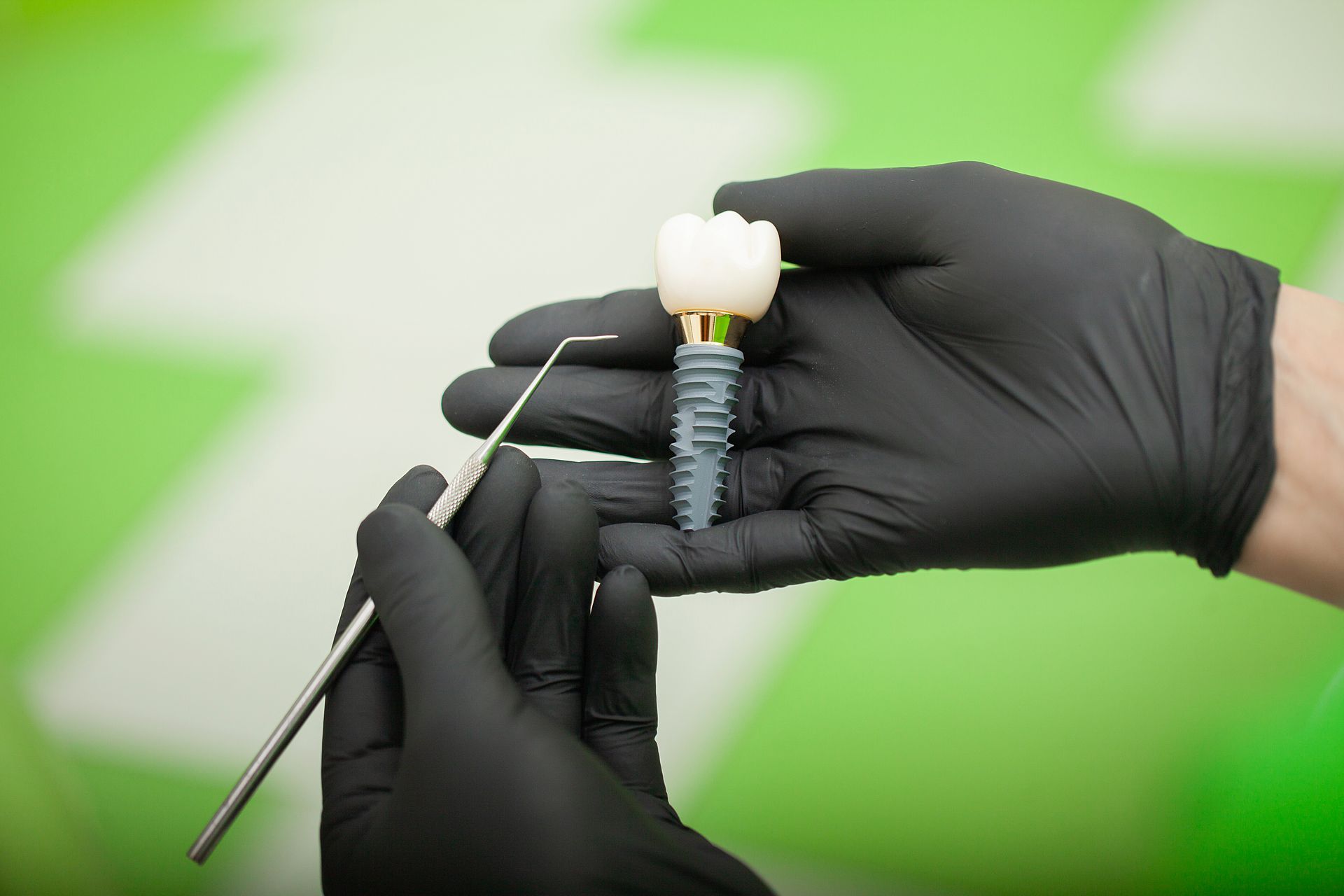
Dental implant failure means the implant is no longer functioning the way it should. This can involve the post losing its connection to the jawbone, an infection developing around the implant, or the surrounding tissue and bone breaking down over time.
Early Failure vs. Late Failure
Early failure happens within the first few months after placement, usually during the healing and integration phase. Late failure occurs after the implant has been functional for months or years and is typically linked to infection, bone loss, or changing health conditions.
Common Causes of Implant Failure
Infection and Peri-Implantitis
Peri-implantitis is an infection of the gum and bone tissue surrounding the implant. It is one of the most common causes of implant failure and is closely linked to poor oral hygiene and gum disease history.
Failed Osseointegration
Osseointegration is the process by which the titanium post fuses with the jawbone. If this process does not complete successfully, the implant will feel loose and unstable. Certain health conditions, poor bone quality, and smoking can all interfere with osseointegration.
Bite Pressure and Teeth Grinding
Excessive force from teeth grinding or a misaligned bite puts stress on the implant post and crown. Over time, this can loosen the implant or crack the crown.
Smoking and Health Conditions
Smoking reduces blood flow to the gums and bone, impairing healing and long-term tissue health. Uncontrolled diabetes and autoimmune conditions can also interfere with how well the body accepts and maintains an implant.
7 Warning Signs of Dental Implant Failure
1. Persistent Pain or Throbbing Around the Implant
Normal Healing Pain vs. Warning Pain
Some soreness in the days following implant placement is completely normal. Warning pain looks different. If you are experiencing throbbing discomfort, pain that returns after a period of no symptoms, or pain that gets worse rather than better, that is a sign something may be wrong. Pain months or years after a successful placement should never be ignored.
2. Swollen, Red, or Bleeding Gums Around the Implant
Signs of Infection to Watch For
Occasional mild sensitivity around the gums is normal after placement. Persistent swelling, redness, or gums that bleed without provocation are not. These are classic early indicators of peri-implant disease. Left untreated, the infection can spread to the surrounding bone and cause the implant to fail.
3. A Loose Implant or Moving Tooth Replacement
Loose Crown vs. Loose Implant Post
A loose crown is a less serious issue and is often fixable with re-cementing or a new restoration. A loose implant post is a more serious problem. If the implant itself is moving in the bone, it means osseointegration has either failed or the bone around the post is breaking down. This requires immediate evaluation.
4. Difficulty Chewing or Biting Comfortably
Pressure Sensitivity and Bite Changes
A well-integrated implant should feel like a natural tooth when chewing. If biting down causes pain, pressure sensitivity, or feels noticeably different than it used to, the implant may be under abnormal stress or losing stability. Changes in your bite can also signal that the crown or abutment needs attention.
5. Gum Recession Around the Implant
Exposed Metal Threads or Implant Surface
Healthy gum tissue should sit flush against the base of the crown. If the gum is pulling away from the implant, it exposes the post and creates an entry point for bacteria. In more advanced cases, you may be able to see the metal threads of the implant itself. This is a sign the supporting tissue is compromised.
6. Bad Taste, Bad Breath, or Pus Near the Implant
Indicators of Bacterial Infection
A persistent bad taste or odor that does not resolve with brushing and flossing is a reliable indicator of infection around the implant. Visible pus or discharge near the gum line is a more serious sign that requires prompt dental attention. Do not wait to see if it goes away on its own.
7. Jawbone Changes or Visible Shifting
Bone Loss and Structural Instability
In advanced cases of peri-implantitis or failed osseointegration, the jawbone around the implant begins to deteriorate. You may notice changes in the appearance of the gum and jaw around the implant, a shift in how your teeth align, or a sunken look in the gum tissue. X-rays are needed to confirm bone loss, which is why regular checkups matter even when symptoms are subtle.
What to Do Next If You Notice These Signs
Contact Your Dentist or Implant Specialist Quickly
Do not wait to see if the symptoms improve on their own. Most implant complications respond much better to early treatment. Call your dentist as soon as you notice any of the signs above and describe your symptoms clearly so they can prioritize your appointment appropriately.
Avoid Chewing on the Affected Side
Until you are seen by a dentist, try to avoid putting pressure on the implant. Continuing to chew on a compromised implant can accelerate damage to the post, crown, and surrounding bone.
Keep the Area Clean Without Irritating It
Gentle brushing around the implant site helps reduce bacterial buildup without aggravating inflamed tissue. Avoid harsh rinsing or probing the area. A soft-bristle toothbrush and a mild rinse is enough.
Do Not Ignore a Loose Implant or Crown
A loose crown may feel minor, but leaving it unaddressed allows bacteria to get into the space between the crown and the abutment. A loose implant post is a dental emergency and should be treated the same day if possible.
How Dentists Diagnose Dental Implant Failure
Clinical Exam and Gum Evaluation
Your dentist will examine the gum tissue around the implant for swelling, recession, bleeding, and pocket depth. Deeper gum pockets around the implant are a common indicator of peri-implant disease.
Digital X-Rays or 3D Imaging
X-rays reveal what cannot be seen visually, including bone levels around the implant post. In some cases, a 3D cone beam CT scan gives a more complete picture of bone density and implant position.
Bite Analysis and Restoration Check
Your dentist will check how the implant crown contacts neighboring and opposing teeth. An uneven bite places unequal stress on the implant and can accelerate failure if left uncorrected.
Treatment Options for a Failing Dental Implant
Deep Cleaning and Infection Control
For early-stage peri-implantitis, a deep cleaning of the implant surface and surrounding tissue is often the first step. This may be combined with antibiotic therapy to control bacterial infection.
Tightening or Replacing a Loose Crown
If the crown or abutment screw has loosened, it can often be tightened or replaced without affecting the post itself. This is one of the simpler and more common implant repairs.
Bone Grafting or Gum Treatment
When bone loss has occurred around the implant, a bone graft may be used to restore lost volume and stabilize the implant. Gum grafting can address recession and protect the implant surface from further exposure.
Implant Removal and Replacement
When the implant post cannot be saved, it is removed and the site is allowed to heal. Once the bone has recovered, a new implant can often be placed. Our team offers dedicated implant failure treatment for patients navigating this process.
Can a Failed Dental Implant Be Replaced?
When Replacement Is Possible
Most patients who lose an implant are still candidates for replacement. The key factors are whether there is enough healthy bone remaining, whether any underlying health issues have been addressed, and whether the patient is committed to the maintenance habits that protect long-term implant success.
How Long You May Need to Wait
After removal, the site typically needs three to six months to heal before a new implant can be placed. If a bone graft is required, the timeline may be longer. Your dentist will give you a realistic estimate based on how the site looks after removal.
How to Prevent Dental Implant Failure
Daily Brushing and Flossing
Brush twice a day with a soft-bristle toothbrush and floss or use an interdental brush around the implant daily. Consistent oral hygiene is the single most controllable factor in long-term implant health. Learn more about what a proper dental implant maintenance routine looks like.
Regular Maintenance Visits
See your dentist at least twice a year. Professional cleanings remove buildup that home care misses, and regular exams allow early detection of gum changes and bone shifts around the implant.
Stop Smoking and Protect Overall Health
Quitting smoking significantly lowers your risk of implant failure. Managing systemic health conditions, particularly diabetes, also plays a meaningful role in keeping the tissue and bone around your implant healthy.
Wear a Night Guard for Teeth Grinding
If you grind your teeth at night, a custom night guard reduces the force on the implant and can extend the life of both the crown and the underlying post.
Address Gum Disease Early
Existing gum disease is one of the leading risk factors for peri-implantitis. If you have a history of gum disease, treating it before and after implant placement gives your implant the best foundation for long-term success.
When to Seek Immediate Dental Care
Sudden Swelling or Severe Pain
Swelling that comes on quickly, especially if accompanied by fever or difficulty swallowing, can indicate a spreading infection. This is a dental emergency.
Implant Mobility
Any movement in the implant post itself, not just the crown, warrants same-day contact with your dental provider. A mobile post means the implant has lost its connection to the bone.
Signs of Spreading Infection
Swelling that extends beyond the gum line into the jaw or face, pus that does not resolve, or a fever alongside oral symptoms are all signs that an infection may be spreading. Seek care immediately.
Conclusion
Most Implant Problems Improve With Early Treatment
Dental implant failure sounds serious, and it can be. But the majority of early-stage complications, including infection, loose components, and mild bone loss, are treatable when caught in time. The warning signs covered in this post exist precisely so patients know what to look for and when to act.
Prompt Care Helps Protect Your Smile and Investment
Dental implants represent a significant investment in your health and quality of life. The best way to protect that investment is to stay consistent with maintenance, pay attention to changes around the implant, and call your dentist at the first sign of trouble rather than waiting to see if it resolves.
Frequently Asked Questions About Dental Implant Failure
Tampa Dental Implants - Blog