How Much Do Snap-In Dentures Cost? Complete Guide to Prices and Options
At Innate Dental Solutions, we specialize in implant-supported restorations, including snap-in dentures. We've helped patients across the Dallas area go from struggling with loose, uncomfortable traditional dentures to enjoying a stable, confident smile. We know cost is one of the first questions people have, and we believe you deserve a straight answer before you ever walk through our door. This guide breaks down everything you need to know about snap-in denture costs with no fluff and no pressure.
What Are Snap-In Dentures?
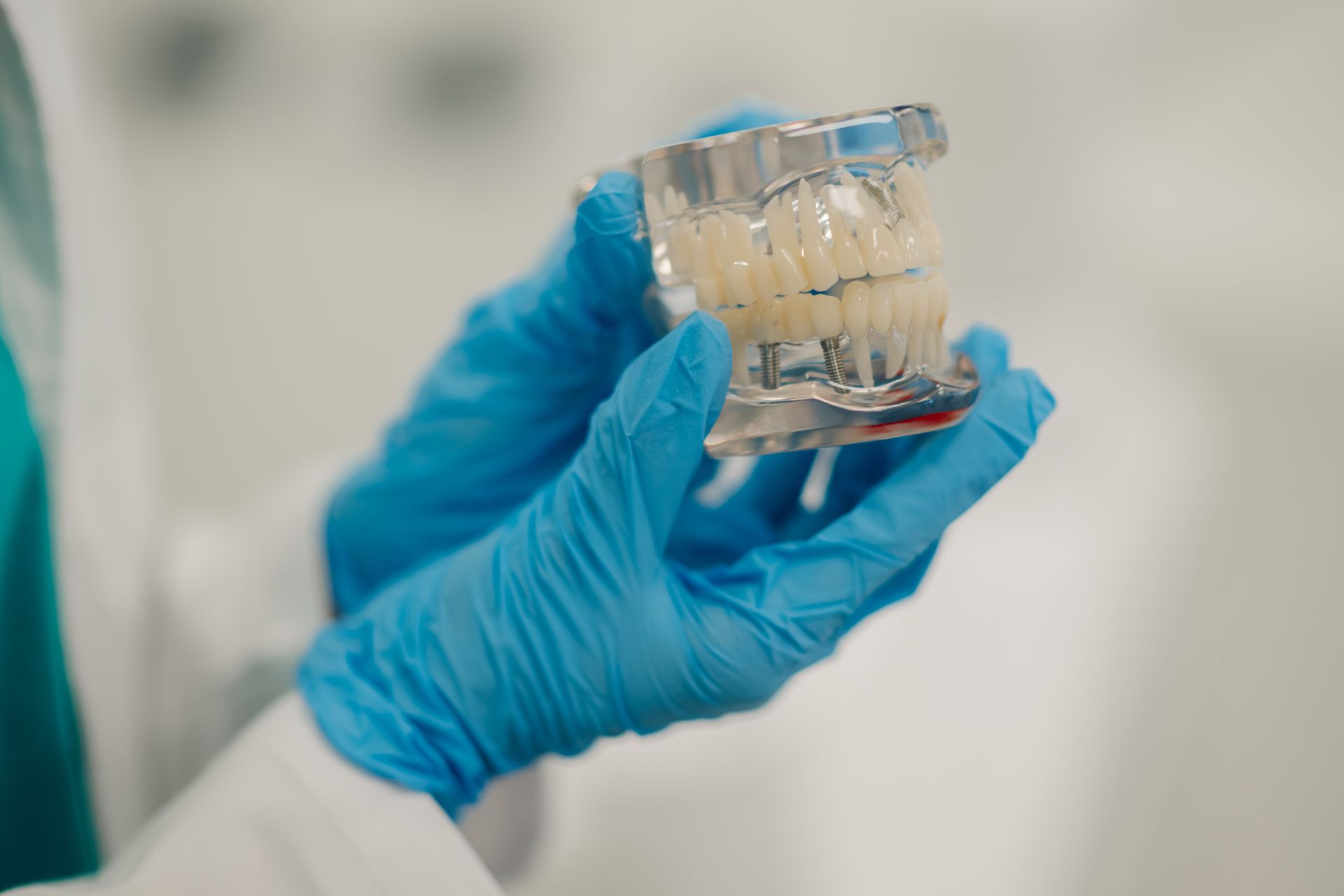
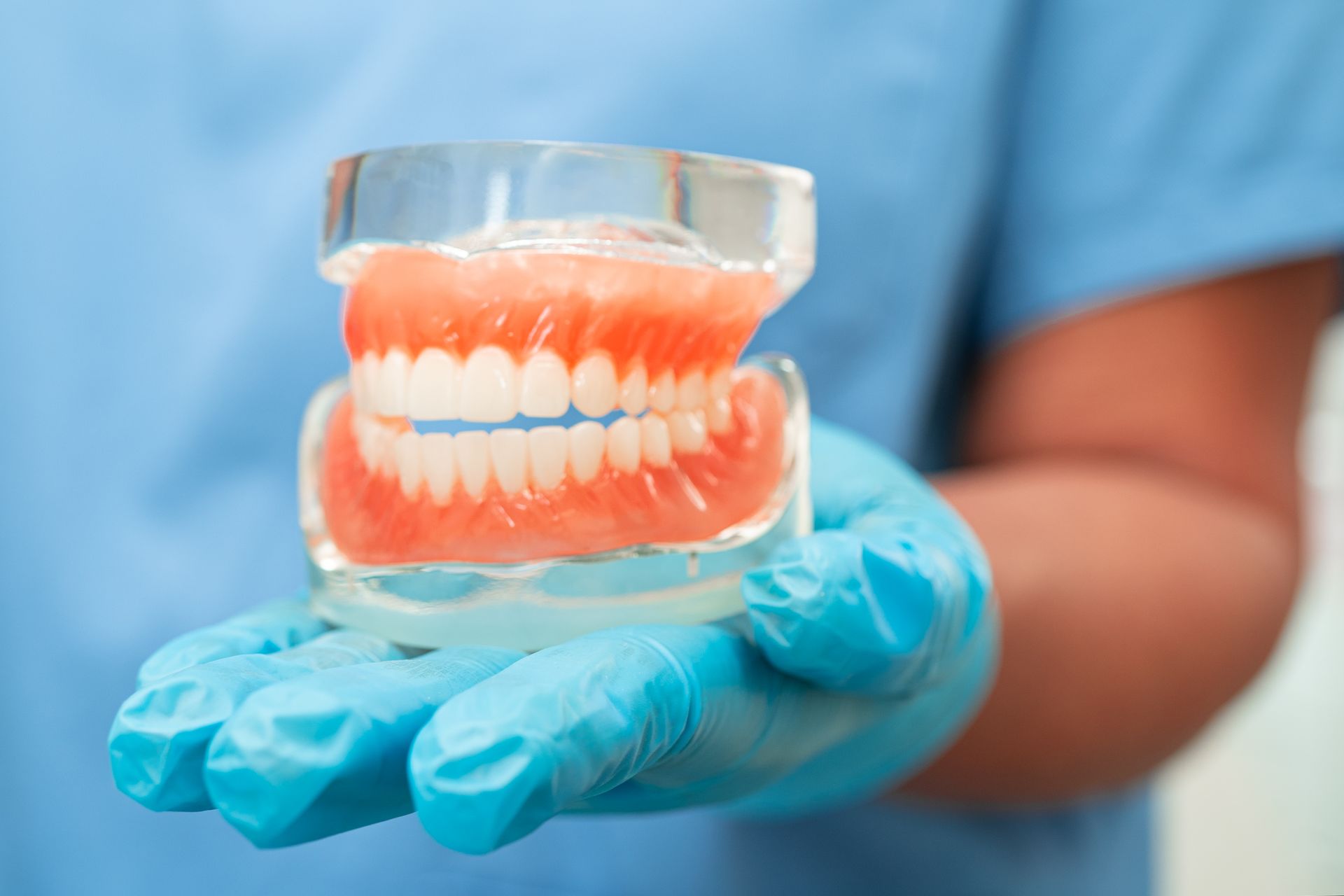
Snap-in dentures are a type of removable denture that attaches to dental implants placed in your jawbone. Unlike traditional dentures that rely on suction or adhesive to stay in place, snap-in dentures literally snap onto implant posts, giving you a much more secure and comfortable fit.
They can be removed for cleaning, but they stay firmly in place throughout the day. For many patients, snap-in dentures offer a life-changing middle ground between traditional dentures and a fully fixed implant restoration.

How Do Snap-In Dentures Work?
The Role of Dental Implants
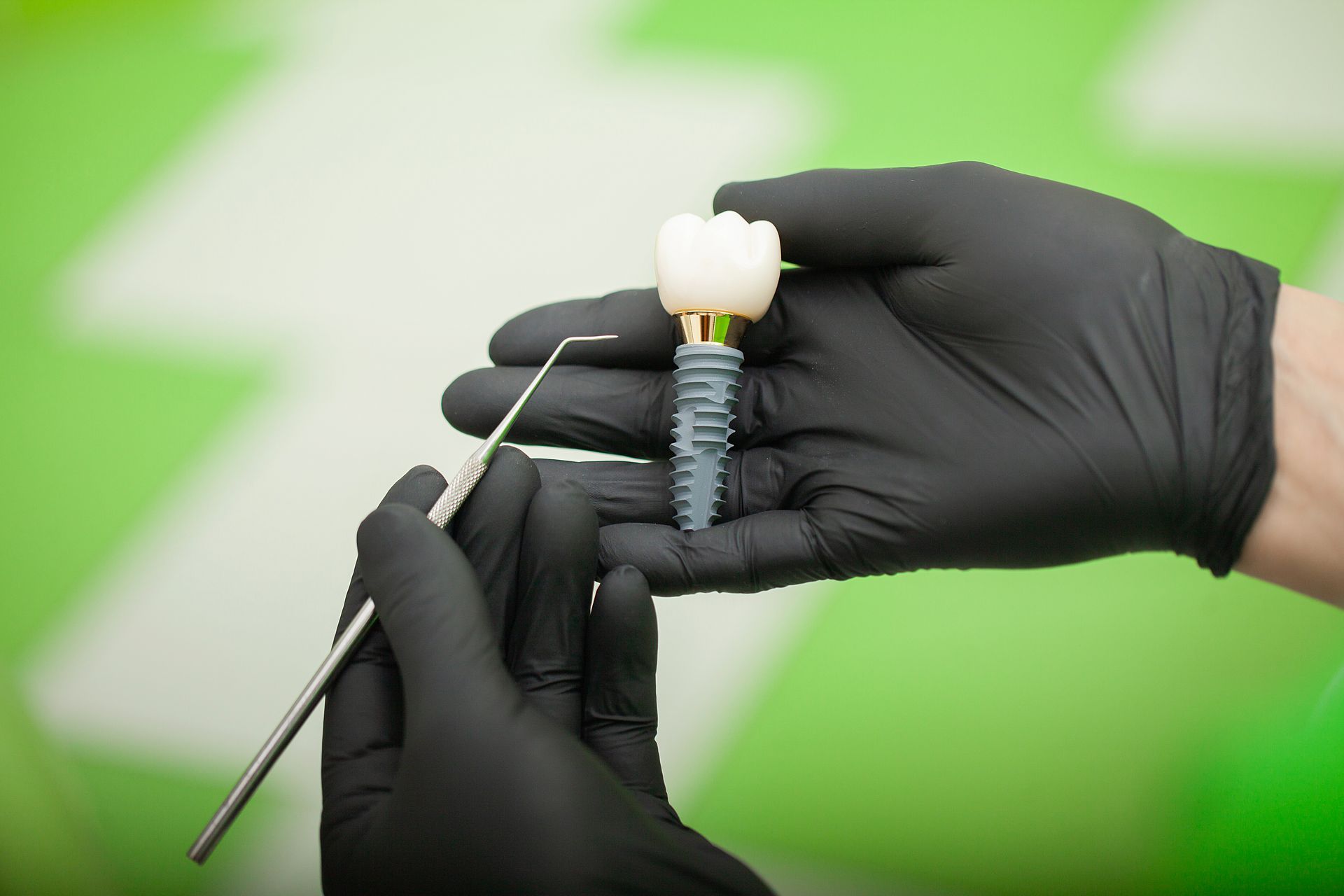
Snap-in dentures require at least two and sometimes four dental implants to be placed in the jawbone. These implants act as anchors. Once they fuse with the bone through a process called osseointegration, they provide a stable foundation that traditional dentures simply cannot match.
How the Snap-In Attachment Functions
Each implant has a small connector called a locator attachment on top. The denture has corresponding sockets built into its base. When you press the denture down onto the implants, it snaps into place securely. To remove it, you simply release it with gentle pressure. The attachment system is designed to be easy for patients to manage on their own at home.
Types of Snap-In Dentures
Upper Snap-In Dentures
Upper snap-in dentures typically require more implants than lower dentures because the upper jaw has less bone density in many patients. They are a great option for people who find upper traditional dentures especially uncomfortable due to the palate covering.
Lower Snap-In Dentures
The lower jaw is where most patients experience the most instability with traditional dentures. Even two implants can make a dramatic difference for a lower snap-in denture, making this one of the most common and cost-effective entry points into implant-supported dentistry.
Full Arch Snap-In Dentures
Full arch snap-in dentures replace an entire arch, either upper or lower, with a single implant-supported prosthetic. This option provides excellent stability and is significantly more affordable than a full fixed implant bridge.
Mini Implant Snap-In Dentures
Mini implants are smaller in diameter than standard implants and can be placed with less bone volume. They are a lower-cost alternative that works well for certain patients, though they may not be as durable as standard implants over the long term.
How Much Do Snap-In Dentures Cost?
Average Cost Per Arch
Snap-in dentures typically cost between $1,500 and $4,000 per arch for the denture itself, with implant placement costs on top of that. The total cost per arch, including implants and the denture, generally ranges from $3,500 to $6,000 depending on the number of implants and the complexity of your case.
Full Mouth Snap-In Dentures Cost
For both upper and lower arches, patients can expect a total investment ranging from $7,000 to $12,000 or more. While that number may feel significant, it is important to weigh it against the ongoing costs of traditional denture adhesives, relining, and replacements over the years.
Mini Implant Dentures Cost
Mini implant snap-in dentures are generally less expensive, with total costs ranging from $2,000 to $4,000 per arch. They require less bone and involve a less invasive procedure, which can reduce both surgical costs and recovery time.
What Is Included in the Price
A complete snap-in denture quote should include the implant placement surgery, the abutment attachments, the denture fabrication, and any follow-up adjustments. Always ask your dental provider for an itemized breakdown so you know exactly what you are paying for.
What Factors Affect the Cost of Snap-In Dentures?
Number of Implants Required
The more implants needed to support your denture, the higher the cost. A lower denture may only require two implants, while an upper arch may need four for adequate support.
Type of Denture Material
Snap-in dentures can be made from acrylic, porcelain, or hybrid materials. Higher-quality materials tend to look more natural and last longer, but they also come with a higher price tag.
Geographic Location
Dental costs vary significantly by region. Practices in major metropolitan areas tend to charge more than those in smaller cities or suburban markets. That said, choosing a provider based on price alone is not always the wisest decision when it comes to implant dentistry.
Dentist or Specialist Experience
A highly experienced implant dentist or prosthodontist may charge more for their services, and for good reason. Proper implant placement is one of the most important factors in the long-term success of your snap-in denture. Expertise is worth investing in.
Additional Procedures Such as Bone Grafting
If you have experienced bone loss in your jaw, which is common in patients who have worn traditional dentures for years, you may need a bone graft before implants can be placed. This adds to the overall cost but is often necessary for a successful outcome.
Snap-In Dentures vs Traditional Dentures Cost
Cost Comparison Breakdown
Traditional dentures typically cost between $1,000 and $3,000 per arch upfront, making them cheaper in the short term. However, they require regular relining, adhesive products, and eventual replacement every five to ten years. Snap-in dentures cost more initially but tend to be more cost-effective over a patient's lifetime. For a deeper look at how these two options compare overall, read our guide on dentures vs dental implants.
Long-Term Value of Snap-In Dentures
Beyond cost, snap-in dentures help preserve jawbone by providing the stimulation that implants offer. Traditional dentures sit on top of the gum and allow the bone underneath to slowly shrink over time, a process that changes your facial structure and requires your dentures to be refitted regularly. Snap-in dentures address this at the root level.
Does Insurance Cover Snap-In Dentures?
What Most Dental Plans Cover
Most traditional dental insurance plans offer limited coverage for implant-supported dentures. Some plans may cover a portion of the prosthetic under restorative benefits, while the implant surgery is often excluded or subject to a separate annual maximum.
How to Maximize Your Benefits
Call your insurance provider before your consultation and ask specifically about coverage for implant placement and implant-supported prosthetics. Some patients are able to split treatment across two calendar years to maximize their annual benefit. Your dental office's treatment coordinator can also help you navigate this process.
How to Finance Snap-In Dentures
Dental Payment Plans
Many dental practices, including Innate Dental Solutions, offer in-house payment plans that allow you to spread the cost of treatment over time. These plans can make snap-in dentures accessible without requiring full payment upfront.
Third-Party Financing Options
Third-party financing through companies like CareCredit or Lending Club allows patients to finance dental treatment with low or no-interest promotional periods. Approval is typically quick and can be done before or at your first appointment.
In-House Membership Plans
Some practices offer in-house dental membership plans for patients without insurance. These plans typically cover preventive care and offer discounts on restorative procedures, including implant treatments. Ask your provider if they offer this option.
What to Expect During the Snap-In Denture Process
Initial Consultation and Treatment Planning
Your journey starts with a comprehensive consultation that includes X-rays, a review of your bone density, and a discussion of your goals and budget. This is where your dentist will determine how many implants you need and whether any preparatory procedures are required.
Implant Placement
The implants are surgically placed into your jawbone under local anesthesia. Most patients are surprised by how manageable the procedure is. You will be given a temporary restoration to wear while you heal.
Healing and Osseointegration
Over the next three to six months, the implants fuse with the surrounding bone through a process called osseointegration. This is what gives snap-in dentures their long-term stability. Skipping or rushing this phase is not an option; it is what makes the whole system work.
Fitting and Attaching the Denture
Once healing is complete, your custom denture is fabricated and fitted with the snap-in attachments. Your dentist will make any necessary adjustments to ensure proper fit, bite, and comfort before you leave the office.
How to Care for Snap-In Dentures
Daily Cleaning Routine
Remove your snap-in denture each night and clean it with a soft brush and non-abrasive denture cleaner. Clean the implant attachment sites in your mouth with a soft toothbrush and rinse thoroughly. Good hygiene around the implants is essential for long-term health.
Maintenance and Follow-Up Visits
Plan on regular check-ups every six months so your dentist can inspect the implants, attachments, and denture for any signs of wear. Staying on top of dental implant maintenance helps catch small issues before they become costly repairs.
When to Replace Snap-In Denture Attachments
The rubber or nylon inserts inside the denture that snap onto the implants will wear out over time, typically every one to two years. Replacing them is a quick, inexpensive in-office procedure that keeps your denture snapping securely.
Are Snap-In Dentures Worth the Cost?
For most patients, the answer is yes. Snap-in dentures provide a level of stability, comfort, and confidence that traditional dentures simply cannot match. They help preserve jawbone, eliminate the need for adhesives, and allow you to eat, speak, and smile without worrying about your denture shifting. When you factor in the long-term costs of maintaining traditional dentures, the gap in price narrows considerably. For patients who want a life-changing improvement over traditional dentures without committing to a fully fixed restoration, snap-in dentures represent one of the best values in modern dentistry. You can also explore how they compare to other options on our snap-in dentures vs All-on-4 page.
Conclusion
Snap-in dentures are a smart, stable, and life-improving solution for patients who are done dealing with the limitations of traditional dentures. Yes, there is an upfront investment, but the comfort, confidence, and long-term value they provide make them well worth it for most patients. If you are ready to find out whether snap-in dentures are the right fit for you, our team is here to help.
Ready to take the next step? Contact Innate Dental Solutions today to schedule your snap-in denture consultation. We will walk you through your options, give you a clear cost estimate, and answer every question you have with no pressure and no surprises.
Frequently Asked Questions About Snap-In Dentures Cost
Tampa Dental Implants - Blog