How Long Do Dental Implants Last? Lifespan, Maintenance, and What Affects It
At Innate Dental Solutions, we work with dental implant patients every day. We've helped people restore their smiles after tooth loss, answered their questions about long-term care, and seen firsthand what makes implants succeed for decades and what causes them to fail early. That experience puts us in a strong position to give you honest, practical answers about dental implant lifespan, without any sales pressure.
How Long Do Dental Implants Last?
The implant post, the titanium piece that goes into your jawbone, can last a lifetime with proper care. Most studies show success rates above 95% at the 10-year mark, and many implants placed decades ago are still fully functional today.
The crown on top, the visible tooth-shaped piece, typically lasts 10 to 15 years before it may need to be replaced due to normal wear. With good habits and regular dental visits, some crowns last 20 years or more.
So the short answer: the implant itself can last your entire life. The crown will likely need replacing at some point, but the foundation underneath should remain solid.

Are Dental Implants Permanent?
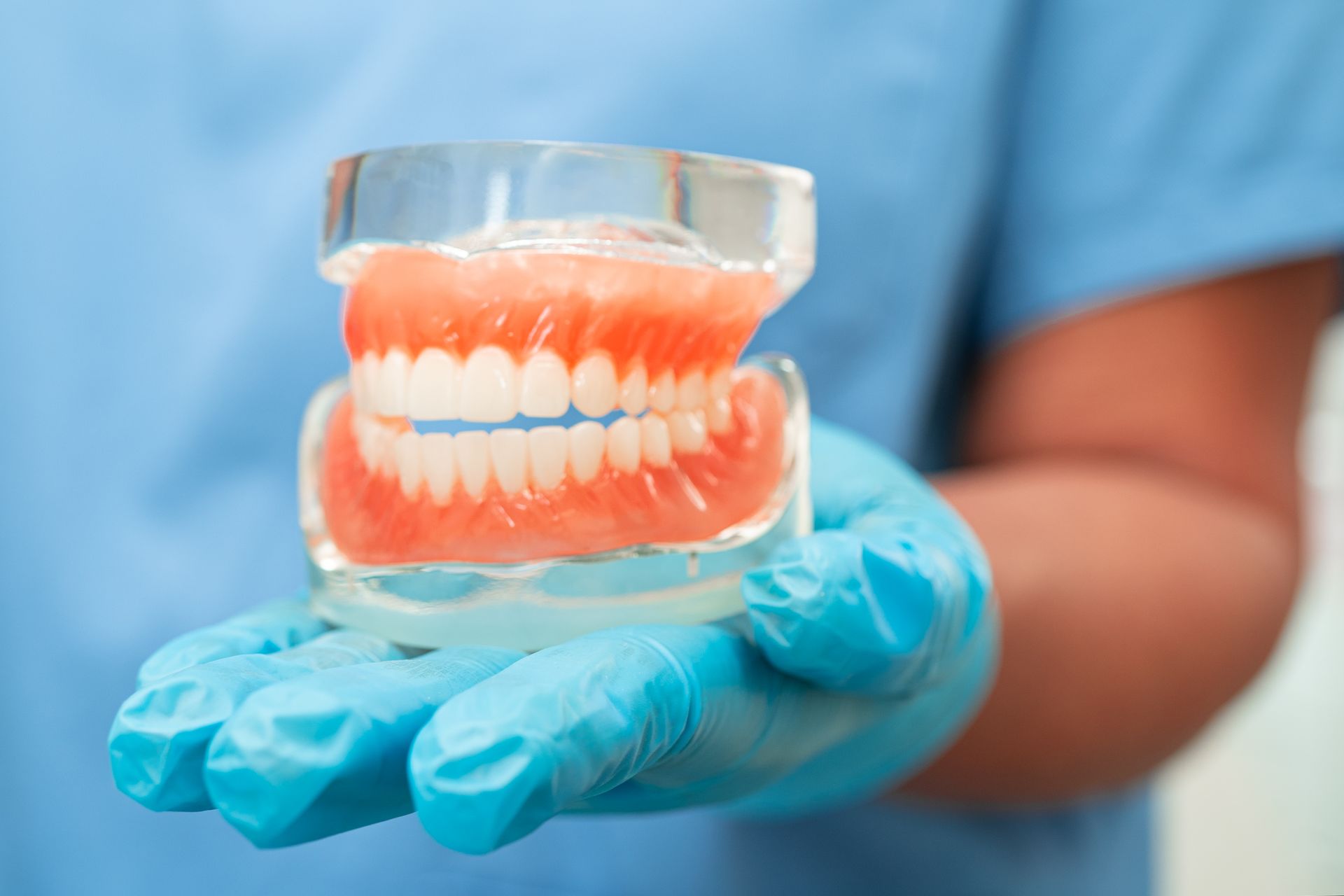
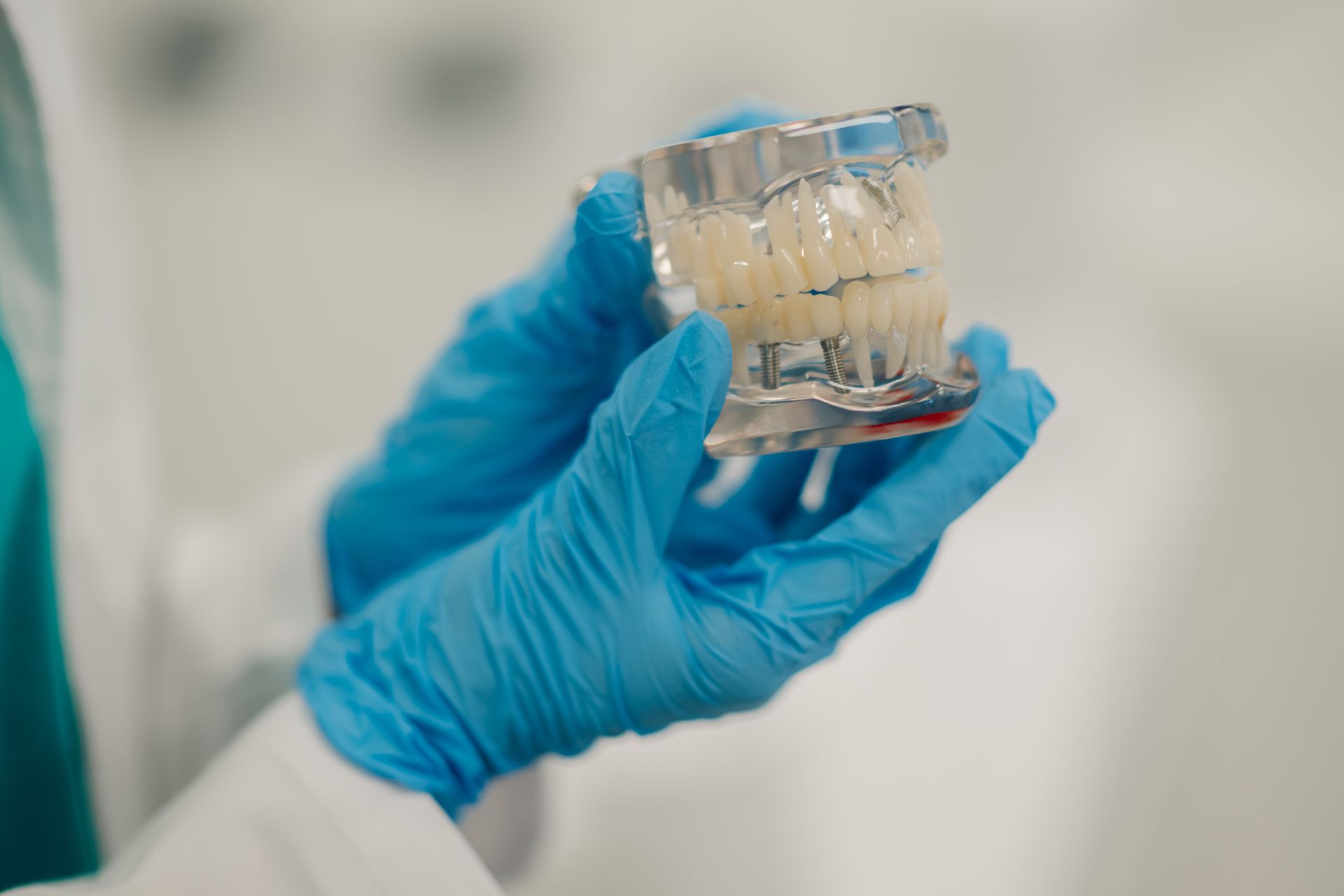
Dental implants are as close to permanent as any tooth replacement option gets. The titanium post fuses with your jawbone through a process called osseointegration, making it a stable, long-lasting anchor. Unlike dentures or bridges, implants do not rely on neighboring teeth or adhesives to stay in place.
That said, "permanent" does not mean maintenance-free. You still need to brush, floss, and visit your dentist regularly to keep the implant and surrounding tissue healthy.
Why Dental Implants Can Last So Long
Osseointegration and Jawbone Support
One reason implants last so long is how they bond with your body. Over the weeks after placement, the titanium post fuses directly with your jawbone. This creates a strong, stable base that also helps preserve the bone around it. Most other tooth replacement options allow the jawbone to shrink over time because there is no root stimulating it. Implants prevent that from happening.
Titanium Implant Post vs. Crown Restoration
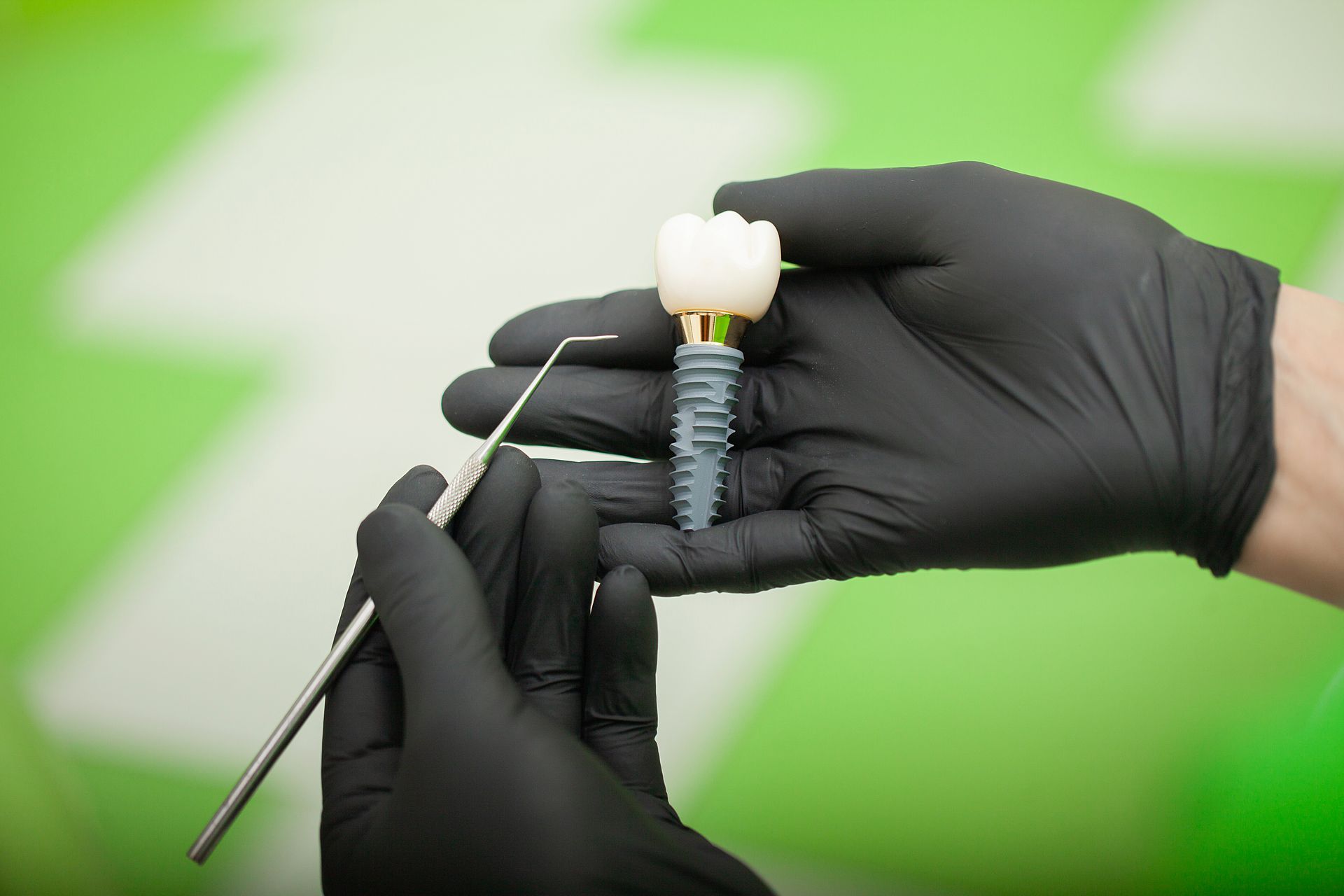
It helps to think of a dental implant in two parts. The post is made of titanium, a material your body tolerates well and that is highly resistant to corrosion. It rarely wears out. The crown, on the other hand, is made of ceramic or porcelain and goes through daily biting and chewing stress. That is why the post tends to outlast the crown by many years.
How Long Does Each Part of a Dental Implant Last?
| Component | Expected Lifespan |
|---|---|
| Implant Post (titanium) | Lifetime (20+ years, often indefinitely) |
| Abutment (connector piece) | 10 to 20+ years |
| Dental Crown | 10 to 15 years on average |
Implant Post Lifespan
The titanium post is the most durable part of the implant. Once it integrates with the jawbone, it rarely needs to be replaced. Early failure can happen, but it is uncommon and usually related to infection, bone loss, or problems during healing.
Abutment Lifespan
The abutment connects the post to the crown. It is generally very durable and can last as long as the post in many cases. It may need adjustment or replacement if the crown is replaced or if it becomes damaged.
Dental Crown Lifespan
The crown is the part that takes the most wear. Biting, chewing, and grinding all put stress on it over time. Most crowns last between 10 and 15 years. Good oral hygiene, avoiding hard foods, and wearing a night guard if you grind your teeth can push that number higher.
What Affects the Lifespan of Dental Implants?
Oral Hygiene and Daily Maintenance
Brushing twice a day and flossing around the implant keeps bacteria from building up at the gum line. Even though implants cannot get cavities, the tissue around them can still become infected. That infection, called peri-implantitis, is one of the leading causes of implant failure. Learn more about dental implant maintenance and what a proper care routine looks like.
Gum Health and Peri-Implant Disease
Healthy gums support the implant from the outside. If gum disease develops around an implant, it can damage the bone holding the post in place. Patients with a history of gum disease need to be especially consistent about dental visits.
Bone Density and Jawbone Health
Your jawbone is what holds the implant in place. Patients with low bone density may need a bone graft before or during implant placement to ensure there is enough support. Jawbone health is also affected by overall health, nutrition, and whether you smoke.
Smoking and Tobacco Use
Smoking slows healing and reduces blood flow to the gums and bone. It significantly increases the risk of implant failure, both in the early healing period and long-term. Quitting smoking before and after implant placement gives your implant the best chance of lasting.
Teeth Grinding and Bite Pressure
Bruxism, or teeth grinding, puts extra stress on implant crowns and can loosen them over time. If you grind your teeth at night, a custom night guard can protect your implant and significantly extend the life of the crown.
Overall Health Conditions
Certain health conditions, including uncontrolled diabetes and autoimmune disorders, can affect how well the bone integrates with the implant. Well-managed health conditions are less of a risk. Always share your full medical history with your dental provider before getting implants.
Implant Placement and Dentist Experience
The skill of the dental provider matters. Proper placement depth, angle, and positioning all affect how well the implant heals and how long it lasts. An experienced implant dentist reduces the risk of early complications.
Implant Materials and Crown Quality
Higher-quality implant components tend to perform better over time. Medical-grade titanium for the post and high-quality ceramic for the crown are the standard at reputable dental practices. Cutting corners on materials is not worth the risk.
How to Make Dental Implants Last Longer
Brush and Floss Consistently
Use a soft-bristle toothbrush and non-abrasive toothpaste twice a day. Floss or use an interdental brush around the implant daily to remove plaque from areas your toothbrush misses.
Schedule Regular Dental Checkups
See your dentist at least twice a year. Professional cleanings remove tartar buildup around the implant, and checkups allow early detection of any issues before they become serious.
Avoid Smoking
If you smoke, quitting is one of the most impactful things you can do to protect your implant. Smoking reduces the blood supply to your gums and bone, which makes it harder for tissue to stay healthy around the implant long-term.
Use a Night Guard if You Grind Your Teeth
Ask your dentist about a custom night guard if you grind or clench your teeth while sleeping. This simple device takes pressure off both the crown and the underlying post.
Protect Your Gum and Bone Health
Eat a balanced diet, stay hydrated, and avoid habits that harm your gums, such as chewing on ice or hard objects. Strong gums and healthy bone are what keep the implant anchor secure.
Signs Your Dental Implant May Need Attention
Pain When Chewing
Some discomfort during healing is normal. But pain that develops months or years after the implant was placed is not normal. See your dentist promptly if chewing becomes painful.
Swollen or Bleeding Gums
Inflammation around the implant site can signal early peri-implant disease. Catching it early makes it much easier to treat.
Loose Implant or Crown
If the crown feels wobbly, it may just need to be re-cemented. But if the post itself feels loose, that is a more serious issue that requires immediate attention.
Gum Recession Around the Implant
If the gum tissue is pulling back from the implant, it can expose the post and weaken the support structure. This is often treatable if caught early.
Bad Taste, Pus, or Signs of Infection
A persistent bad taste or visible pus around the implant is a sign of infection. Do not wait to call your dentist if you notice these symptoms.
What Happens If a Dental Implant Fails?
Implant failure is uncommon, but it does happen. Early failure occurs during the healing phase and is usually caused by infection or poor bone integration. Late failure happens after the implant has been in place for a while and is often linked to bone loss or gum disease.
If an implant fails, the post is removed, the area is allowed to heal, and the bone may need to be rebuilt before a new implant can be placed. Our team offers dedicated implant failure treatment for patients who need to explore their options after a failed implant.
Can a Failed Dental Implant Be Replaced?
Yes. Most patients who experience implant failure can have the implant replaced after the area has healed. A bone graft may be needed first if the jawbone was affected. Your dentist will evaluate the site and recommend the right timeline for replacement.
Dental Implants vs. Other Tooth Replacement Options
Dental Implants vs. Dental Bridges
| Dental Implants | Dental Bridges | |
|---|---|---|
| Lifespan | 20+ years (post); 10-15 years (crown) | 10-15 years on average |
| Bone preservation | Yes | No |
| Affects neighboring teeth | No | Yes (requires grinding them down) |
| Cleaning | Brush and floss normally | Requires special flossing tools |
Dental Implants vs. Dentures
| Dental Implants | Dentures | |
|---|---|---|
| Stability | Fixed in place | Can shift or slip |
| Bone preservation | Yes | No |
| Maintenance | Standard oral hygiene | Daily removal and cleaning |
| Long-term cost | Higher upfront, lower over time | Lower upfront, ongoing costs |
For a deeper look at how these options compare, see our full guide on dentures vs. dental implants.
Are Dental Implants Worth It Long-Term?
For most people, yes. The upfront cost of dental implants is higher than bridges or dentures, but the long-term value is strong. A well-maintained implant can last 20 or 30 years, which means fewer replacements and lower costs over time. Add in the bone preservation benefits, the natural feel, and the ease of care, and implants are often the most cost-effective and healthy choice for permanent tooth replacement. If you want to understand what to expect financially, our dental implant cost guide breaks it all down.
Conclusion: Dental Implants Can Last Decades With the Right Care
Dental implants are designed to be a long-term solution. The titanium post can last a lifetime. The crown typically lasts 10 to 15 years before it may need replacing. How long your implant lasts comes down to your oral hygiene habits, your overall health, whether you smoke, and how consistently you visit your dentist.
Take care of your implant like you would a natural tooth, and it will take care of you for decades to come.
Frequently Asked Questions About Dental Implant Lifespan
Tampa Dental Implants - Blog