Dental Implant Screw Problems: What to Do If a Screw Loosens or Breaks
At Innate Dental Solutions, our team has placed and restored hundreds of dental implants. We've helped countless patients navigate the complications that can come with them, including loose or broken implant screws. We understand how unsettling it can be when something feels "off" with your implant. That's why we're sharing straightforward, expert-backed information to help you understand what's happening, what it means, and what to do next. This isn't about selling you something. It's about giving you the honest answers you deserve.
What Is a Dental Implant Screw?
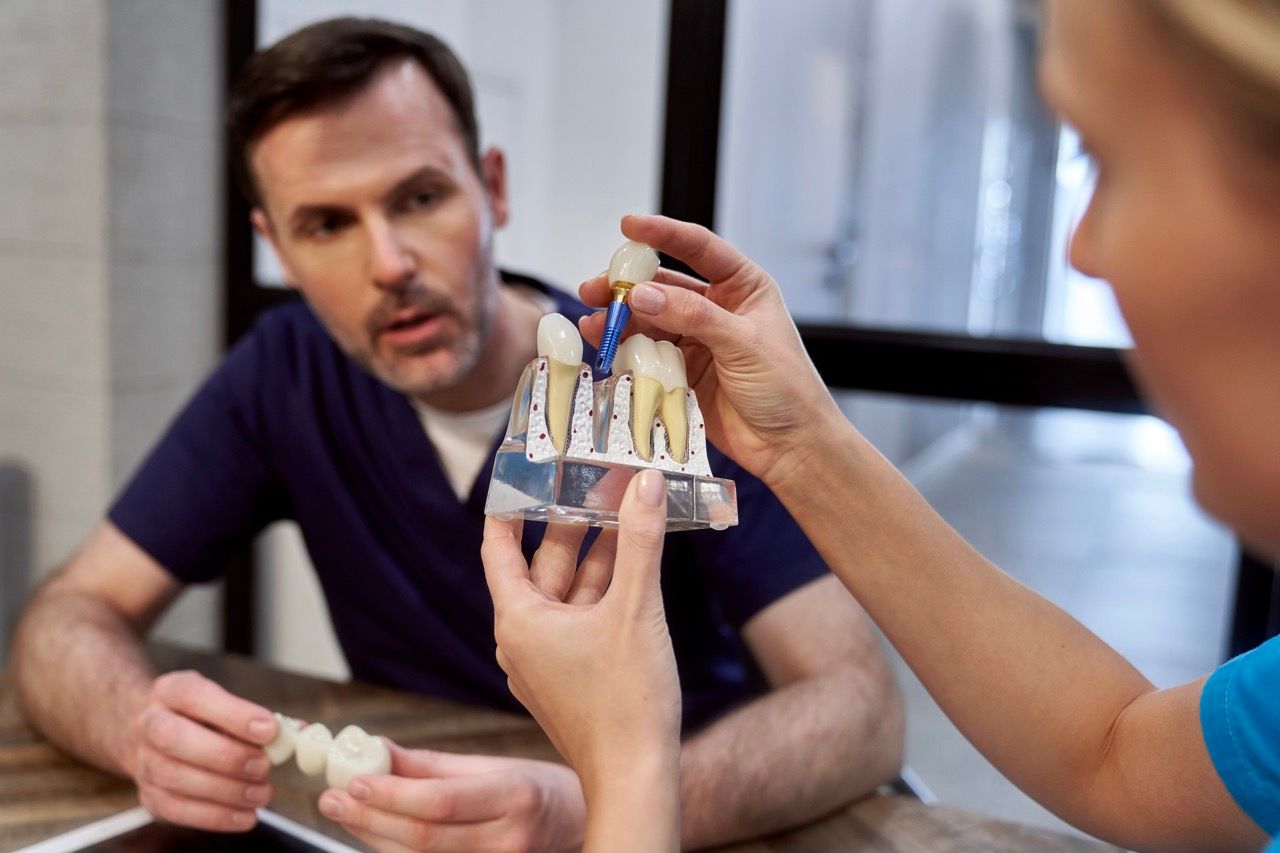
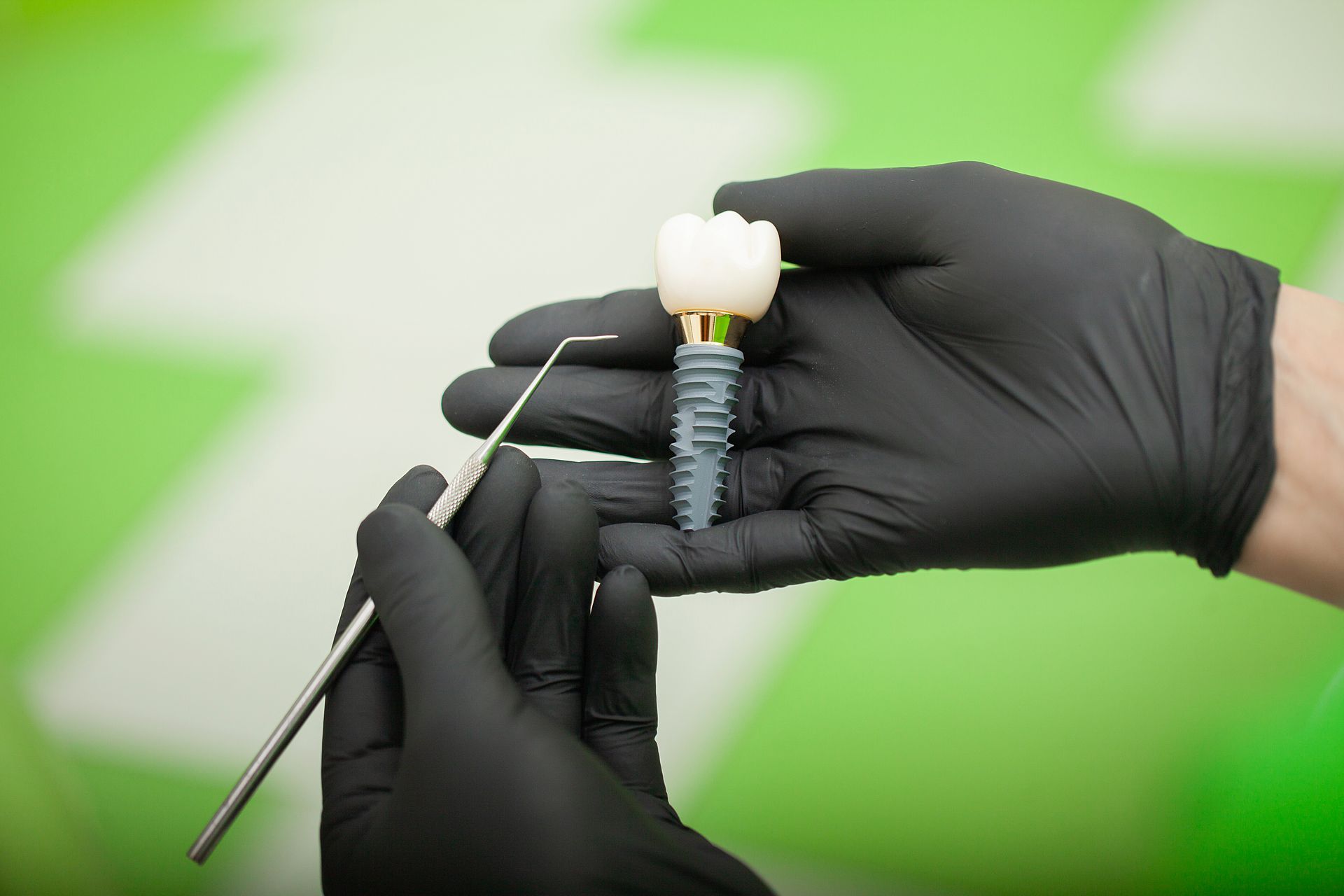
A dental implant screw is a small but critical piece of hardware that holds your implant crown or prosthetic in place. Think of it like a tiny bolt that connects the visible part of your tooth, the crown, to the implant post that's anchored in your jawbone. To better understand how all of these components work together, read our guide on how an implant is inserted from consultation to crown.
Without this screw, the crown would have nothing to hold it securely in position. When it works correctly, you won't even know it's there. But when something goes wrong with it, you'll likely notice right away.
Types of Dental Implant Screws
Abutment Screw
The abutment screw connects the abutment, the connector piece, to the implant fixture in your jaw. This screw sits deeper in the implant structure and is tightened to a specific level of force, called torque, during placement. It's one of the most common screws to loosen over time.
Prosthetic/Crown Screw
The prosthetic or crown screw is what holds your final crown or denture to the abutment. In screw-retained restorations, this screw is the last line of connection between your replacement tooth and the implant below. If this screw loosens, the crown may feel wobbly or click when you bite down.
Signs That Your Dental Implant Screw Is Loose or Broken
Catching a problem early can save you from a more complicated, and more expensive, fix. Here are the most common warning signs to watch for.
Loose or Wobbly Crown
If your implant crown moves even slightly when you touch it or bite down, that's a red flag. A properly secured crown should feel completely stable, just like a natural tooth.
Clicking or Movement When Chewing
A clicking sound or subtle movement during chewing is one of the earliest signs of a loose implant screw. Many patients describe it as the crown feeling "different" before any pain sets in.
Pain or Discomfort Around the Implant
While implant screws don't contain nerves, the surrounding gum tissue and bone can become irritated when a screw is loose or broken. You may feel soreness, pressure, or sensitivity in the area.
Visible Screw Access Hole
In some cases, the small hole used to place or access the screw, called the occlusal screw access hole, may become visible if the filling material covering it falls out. This is a sign that the restoration needs attention.
Common Causes of Implant Screw Loosening
Incorrect Torque During Placement
Every implant screw needs to be tightened to a precise level of force using a torque wrench. If it's under-tightened, it can loosen over time. This is one of the most preventable causes of implant screw problems.
Occlusal Overload
Occlusal overload means your implant is taking on more biting force than it was designed to handle. This can happen if your bite isn't properly balanced, if you grind your teeth, or if the implant crown isn't shaped correctly.
Poor Implant Positioning
If an implant is placed at an angle that doesn't align well with your bite, it can create uneven forces that wear on the screw connection over time. Proper positioning during surgery is essential for long-term stability.
Normal Wear Over Time
Even with perfect placement and bite alignment, screws can loosen over years of regular use. This is completely normal and is one of the reasons routine dental implant maintenance is so important for implant patients.
Common Causes of Implant Screw Fractures
Excessive Biting Forces
Bruxism, the habit of grinding or clenching your teeth, puts extreme stress on implant screws. Over time, this repeated force can cause the screw to crack or break entirely.
Repeated Loosening Left Untreated
A screw that has been loose for a long time is under constant micro-movement. Every time it shifts, it creates tiny stress points in the metal. Eventually, those stress points can lead to a full fracture.
Metal Fatigue
Like any metal component, implant screws can develop fatigue over time, especially when exposed to repeated stress cycles. This is more common in patients who have had their implants for many years or who place excessive force on their teeth.
What to Do If Your Implant Screw Loosens or Breaks
Do Not Ignore the Problem
This is the most important thing to understand: a loose or broken implant screw will not fix itself. Ignoring it can lead to damage to the implant fixture, the surrounding bone, or the soft tissue, turning a simple repair into a much bigger procedure. In more serious cases, untreated screw problems can contribute to implant failure, which is a much more involved process to address.
Contact Your Dentist Immediately
As soon as you notice any of the warning signs listed above, call your dental office. Describe your symptoms clearly so they can schedule you as soon as possible. In most cases, a loose screw is a straightforward fix when caught early.
What to Expect at Your Appointment
Your dentist will take an X-ray to assess the condition of the screw and the implant below it. From there, they'll determine whether the screw can be retightened, needs to be replaced, or whether additional components need attention.
How Dentists Fix a Loose or Broken Implant Screw
Retorquing a Loose Screw
If the screw is simply loose and still intact, your dentist can remove the crown, access the screw, and retighten it to the correct torque level. The crown is then replaced and the access hole is resealed. This is a quick, straightforward procedure.
Removing and Replacing a Broken Screw
A broken implant screw is more complex. Your dentist will need to carefully remove the fractured piece from inside the implant fixture, a delicate process that requires specialized tools. Once removed, a new screw is placed and the restoration is reassembled. Learn more about what this process looks like on our dental implant repair page.
Replacing the Abutment or Crown
In some cases, the abutment or crown itself may be damaged alongside the screw. If that's the case, those components will need to be replaced as well. Your dentist will walk you through exactly what's needed and what to expect in terms of timeline and cost.
Can a Broken Implant Screw Be Prevented?
Regular Dental Check-Ups
Routine visits allow your dentist to check the integrity of your implant hardware before problems become serious. Many screw issues are detected during a regular cleaning or exam, long before the patient notices any symptoms.
Proper Bite Alignment
Making sure your bite is correctly balanced is one of the best ways to protect your implant screw from excess stress. If your dentist identifies bite issues, addressing them early can extend the life of your implant significantly.
Avoiding Excessive Force on Implants
If you grind your teeth, wearing a night guard can dramatically reduce the stress placed on your implant screw while you sleep. You should also avoid using your implant teeth to open packaging, bite nails, or chew ice, habits that put unnecessary strain on the hardware.
Conclusion
A loose or broken dental implant screw is one of the more common implant complications, but it's also one of the most manageable when caught early. The key is knowing what to look for and acting quickly when something doesn't feel right. If you're experiencing any of the symptoms described in this article, don't wait. Reach out to our team at Innate Dental Solutions and we'll get you in to assess what's going on. Our goal is always to protect your investment and keep your smile healthy for the long term.
Experiencing a loose or broken implant screw? Contact Innate Dental Solutions today to schedule your evaluation, we'll get you in quickly, assess the problem, and walk you through your options with no pressure and no guesswork.
Frequently Asked Questions About Dental Implant Screws
Tampa Dental Implants - Blog