Clip-In Dentures Cost vs Snap-In Dentures: What's the Difference?
If you're comparing clip-in dentures cost with snap-in dentures, you're probably trying to answer two questions fast: Which one feels more secure? and What will it cost me? This guide is written with input from dental professionals who work with removable dentures and implant-retained options (often called overdentures) every week. Our goal is to give clear, practical info first, then explain the details so you can make a confident choice.
Understanding the Basics of Clip-In and Snap-In Dentures
What Are Clip-In Dentures?
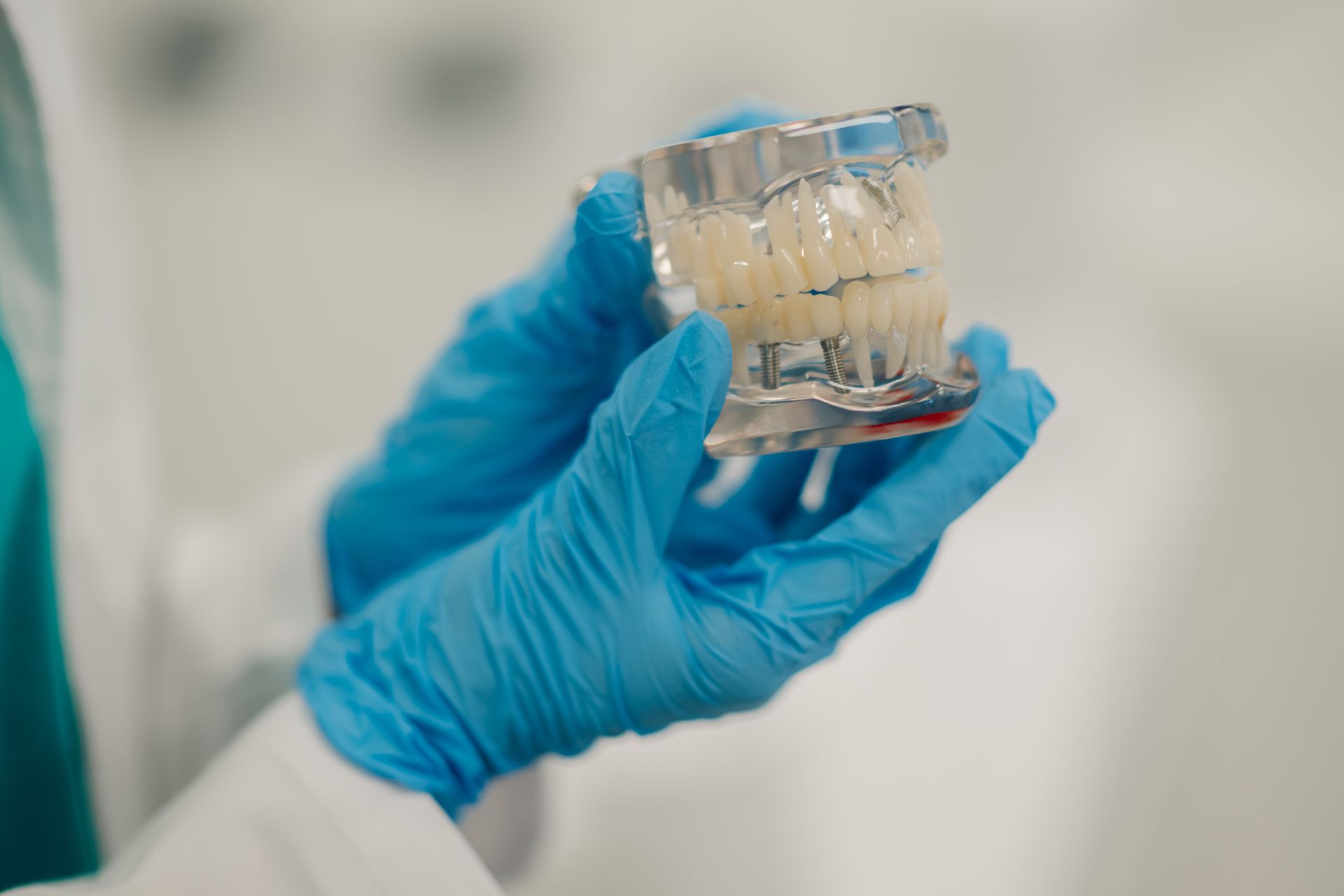
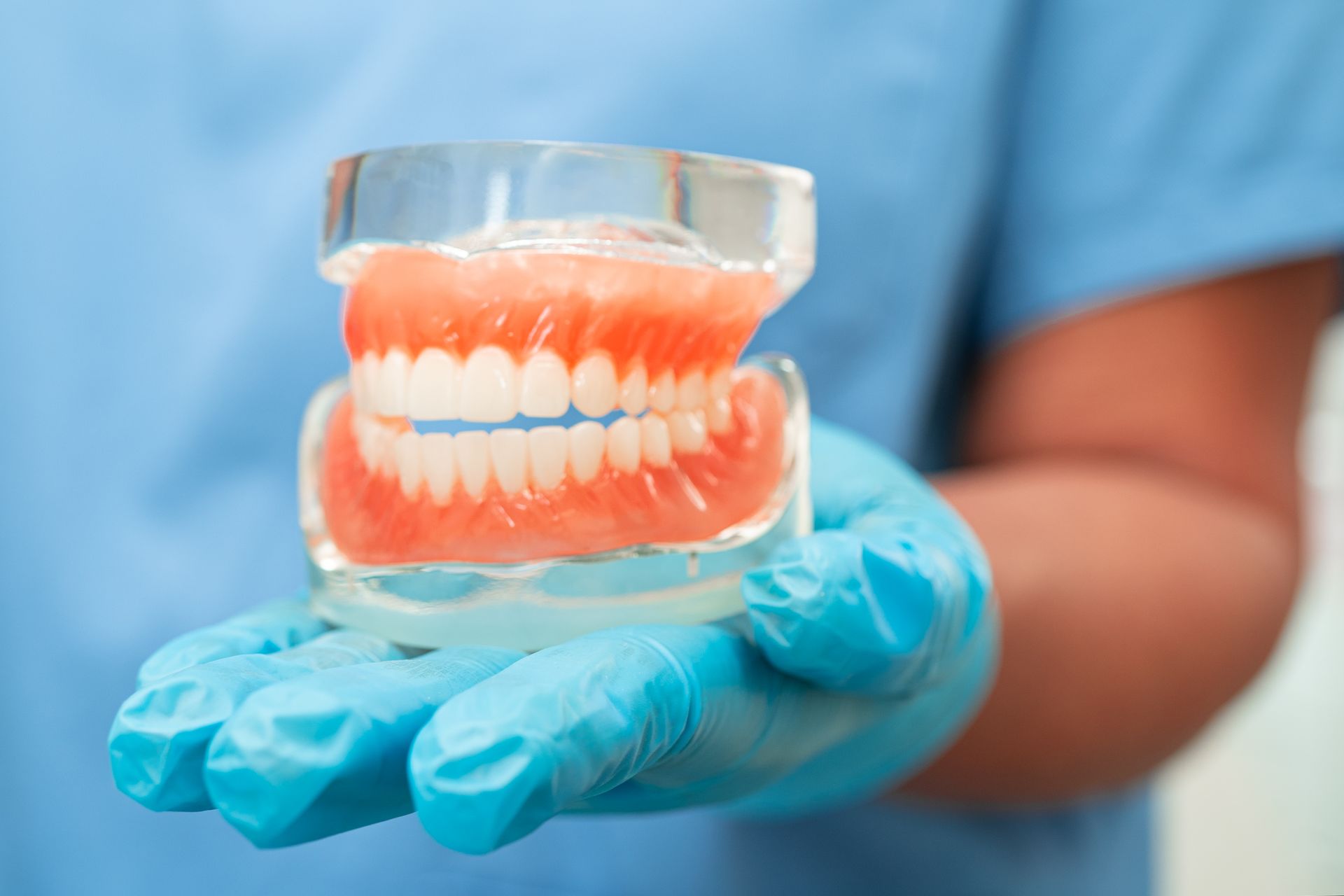
"Clip-in dentures" is a common term people use for a removable denture that clips onto dental implants. In many cases, the denture attaches to:
- A bar connected to implants (with clips inside the denture), or
- Attachment parts that "grab" onto implant components
Because they "clip" on and off, they can feel much more stable than regular removable dentures.
What Are Snap-In Dentures?
Snap-in dentures are also removable dentures that attach to implants, but they usually "snap" onto stud-style attachments (often called locator-type attachments). Think of it like a firm button or snap connection.
In everyday use, many people use "clip-in" and "snap-in" to mean the same thing. In a clinic setting, the words can point to different attachment styles (bar/clip vs stud/snap).
How Do They Work?
Both options rely on implants placed in the jaw. After healing, the denture is made (or updated) to connect to those implants using special attachments.
You wear the denture during the day, remove it to clean it, and pop it back in. This can reduce:
- Sliding
- Sore spots
- The need for messy adhesives
- Trouble chewing certain foods

Key Differences Between Clip-In and Snap-In Dentures
Attachment Method
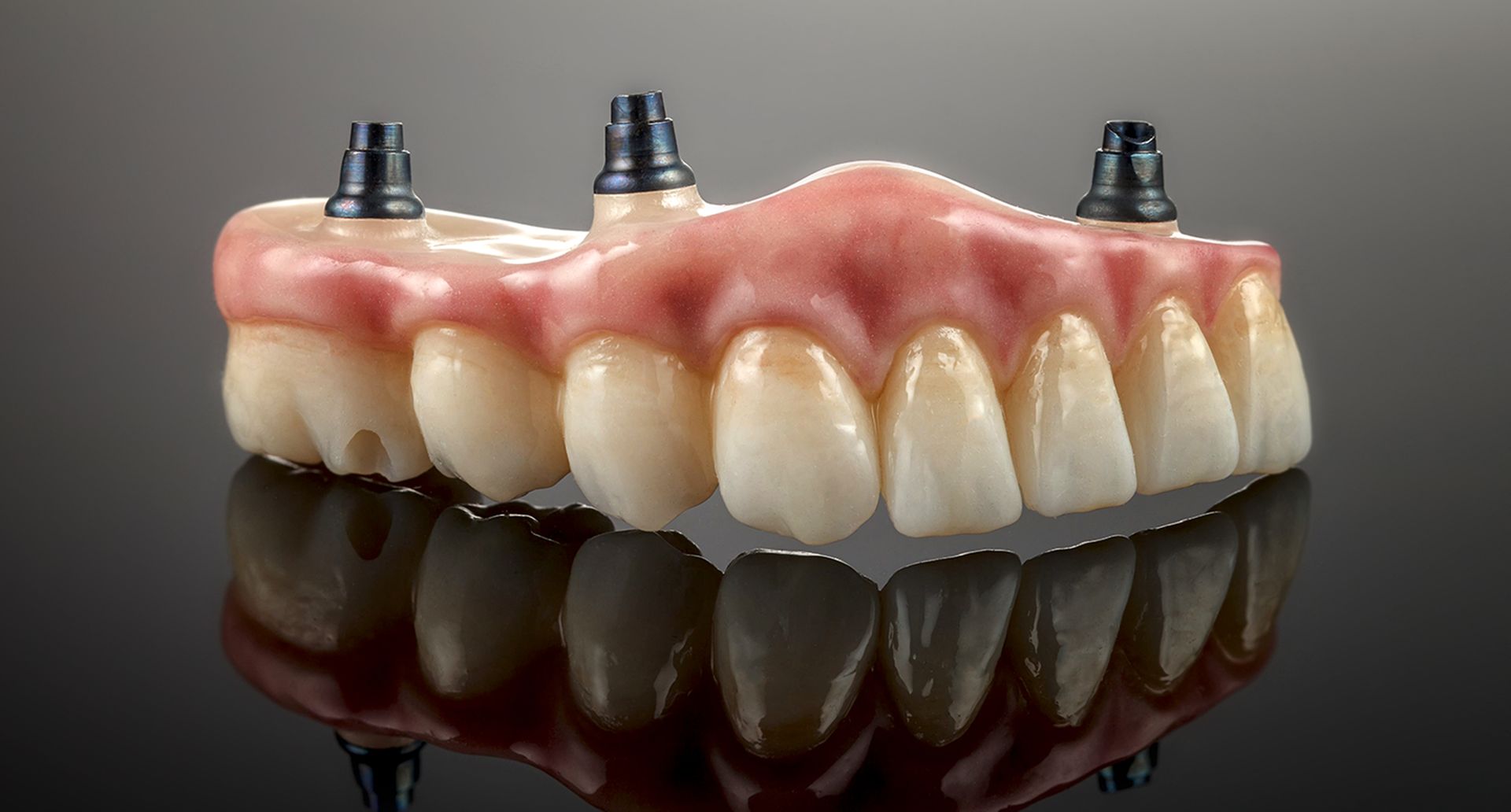
The biggest difference is how the denture connects:
- Clip-in (often bar/clip): A bar may connect implants, and the denture has clips that lock onto it.
- Snap-in (often locator/stud): The denture snaps onto individual implant attachments.
Both can work well. The "best" method often depends on your mouth, bone, and goals.
Stability and Functionality
In general:
- Both are more stable than traditional dentures.
- Bar/clip designs can feel very locked-in, especially for people who want strong support.
- Snap-style attachments can still be very secure, and some patients find them easier to maintain.
If you're doing a snap-in dentures cost comparison, stability is part of "value," not just price.
Comfort and Fit
Comfort depends on fit, bite, and how your gums handle pressure.
Implant-retained dentures can help because implants take some load off the gums. That can mean:
- Fewer sore areas
- Less rocking
- More confidence while talking and eating
Maintenance and Hygiene
Both types require daily cleaning. Attachment parts also wear over time.
Common upkeep includes:
- Replacing worn inserts or clips
- Occasional relines (adjusting the denture base as your gums change)
- Regular checkups to protect implants and gum health
For more on keeping your implants in top shape, check out our guide on dental implant maintenance.
Cost Comparison: Clip-In Dentures vs Snap-In Dentures
Average Cost of Clip-In Dentures
Clip in dentures cost can vary a lot based on how many implants you need, the attachment type, and whether you're starting from scratch or converting an existing denture.
In plain terms:
- Clip-in options often have a lower upfront cost than fixed full-arch implant bridges.
- Costs usually rise when you add more implants, premium materials, or complex surgery.
Average Cost of Snap-In Dentures
Snap-in dentures also vary widely. A big reason is the implants themselves: surgery, parts, planning, and follow-up care.
A common pattern:
- Snap-in dentures can be more affordable than fixed "permanent" implant bridges
- Snap-in can be more expensive than traditional dentures, because implants and attachments add cost
When people compare traditional vs snap-in dentures cost, the snap-in option typically costs more upfront, but many patients feel the added stability is worth it.
What's Included in the Price?
This is where apples-to-apples comparisons matter. Your total price may include:
- Exam and consultation
- 3D imaging and treatment planning
- Implant placement surgery
- Healing time and checkups
- Abutments/attachments (the connecting parts)
- The denture itself (new denture or conversion of an existing one)
- Final fitting and bite adjustments
Some quotes look low because they don't include key steps like imaging, extractions, temporary dentures, or attachment parts. Always ask what's included.
Factors That Affect the Cost
Here are the biggest drivers of price:
Number of implants
More implants can improve support and spread out pressure, but they also increase surgery time and components.
Materials used
Higher-end teeth, stronger denture bases, and premium attachment systems can raise cost. This also connects to long-term durability.
Location and provider fees
Costs vary by region, clinic overhead, and the training involved. Complex cases may require more planning and skill.
Insurance and financing
Coverage is different for everyone. Some plans help with the denture portion but not implants. Many offices offer financing options to spread out payments.
If you're comparing implant-supported dentures price across providers, focus on the full plan, not just the headline number. Learn more about what impacts pricing in our cost of dental implants resource.
Pros and Cons of Each Denture Type
Pros and Cons of Clip-In Dentures
Pros
- Strong stability compared to regular dentures
- Can reduce slipping and sore spots
- Often removable and easier to clean than fixed bridges
- Can be designed with bar support for added hold
Cons
- May cost more than traditional dentures
- Clips and parts can wear out and need replacement
- Bar designs can require more detailed cleaning
- Not everyone has enough bone without grafting
Pros and Cons of Snap-In Dentures
Pros
- Very secure "snap" feel for many patients
- Often simpler hardware than a full bar system
- Removable for easier daily cleaning
- Can improve chewing and confidence
Cons
- Attachments (inserts) may need periodic replacement
- Still a removable denture (not a fixed bridge)
- Implant placement requires healthy bone or added procedures
- Upfront cost is higher than non-implant dentures
If you're comparing options, you might also want to read about snap-in dentures vs All-on-4 to see how these removable solutions stack up against fixed alternatives.
Which Option Is Right for You?
Lifestyle Considerations
Ask yourself:
- Do I want something removable I can clean easily?
- Do I want the strongest hold possible for confidence while eating?
- Am I okay with maintenance visits to replace small attachment parts over time?
If you want "set it and forget it," you may lean toward other implant options like All-on-4 implants. If you want stability and easy cleaning, snap-in or clip-in can be a great middle ground.
Budget and Long-Term Value
Upfront cost matters, but so does long-term value:
- Traditional dentures may need more relines, adhesives, and adjustments
- Implant-retained dentures often feel more stable and functional
- Attachment parts wear out, so plan for maintenance costs
A good decision balances price, comfort, and how you want to live day-to-day.
Dental Health and Bone Structure
Your mouth decides a lot of the plan:
- Bone level in your jaw
- Gum health
- Bite force and grinding
- Need for extractions, bone grafting, or other procedures
A personalized exam and imaging are the only way to know which option fits your anatomy safely. If you have bone loss concerns, you might find our article on getting dental implants with bone loss helpful. In some cases, procedures like bone grafting can make implant-retained dentures possible.
Final Thoughts on Cost and Comfort
In most cases, the difference between clip-in and snap-in dentures comes down to attachment style, feel, and maintenance, not just the name. For many people, implant-retained dentures (overdentures) are a major upgrade from traditional removable dentures because they can improve stability, comfort, and confidence.
If you're focused on clip in dentures cost, remember this: the "right" price is the one tied to a plan that fits your mouth, includes the needed steps, and sets you up for long-term success.
If you want a clear, personalized estimate, the best next step is a consultation with imaging and a written treatment plan. That's how you'll know which attachment style you're being quoted, what's included, and what your real total cost will be.
Frequently Asked Questions
Tampa Dental Implants - Blog