Cost of Whole Mouth Dental Implants: What You Can Expect
If you're searching for a dental implant that costs a whole mouth, you want a clear idea of price before you book anything. Our team works with implant treatment plans and full-arch restorations every week, and we regularly review the real factors that change cost, like bone levels, implant count, and the type of teeth placed on top. In this guide, you'll get the quick answers first, then the details so you can understand quotes and compare options with confidence.
Here's the straight answer upfront: whole mouth dental implant costs can vary a lot because "whole mouth" can mean different treatment types (like All-on-4 or All-on-6), different materials, and different starting points (teeth extractions, bone grafting, etc.). Most people are quoted either per arch (top or bottom) or for both arches (full mouth), and the total depends on what's included.
What Are Whole Mouth Dental Implants?
How They Work
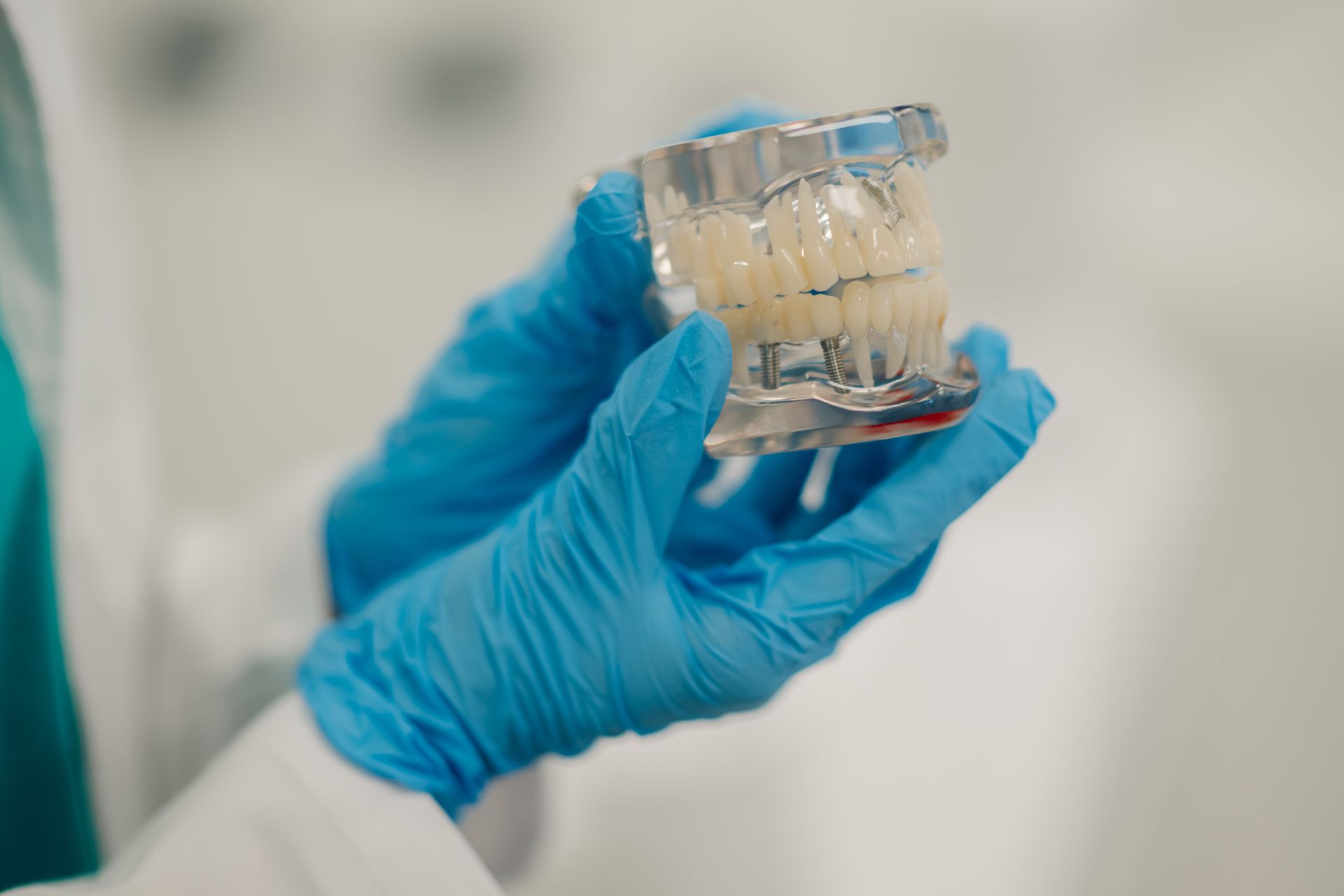
Whole mouth dental implants are a way to replace most or all teeth using dental implants as the foundation. Implants are small posts placed in the jawbone. After healing, they support new teeth.
Depending on the plan, the final teeth may be:
- A full-arch bridge (a set of teeth that replaces all teeth on the top or bottom)
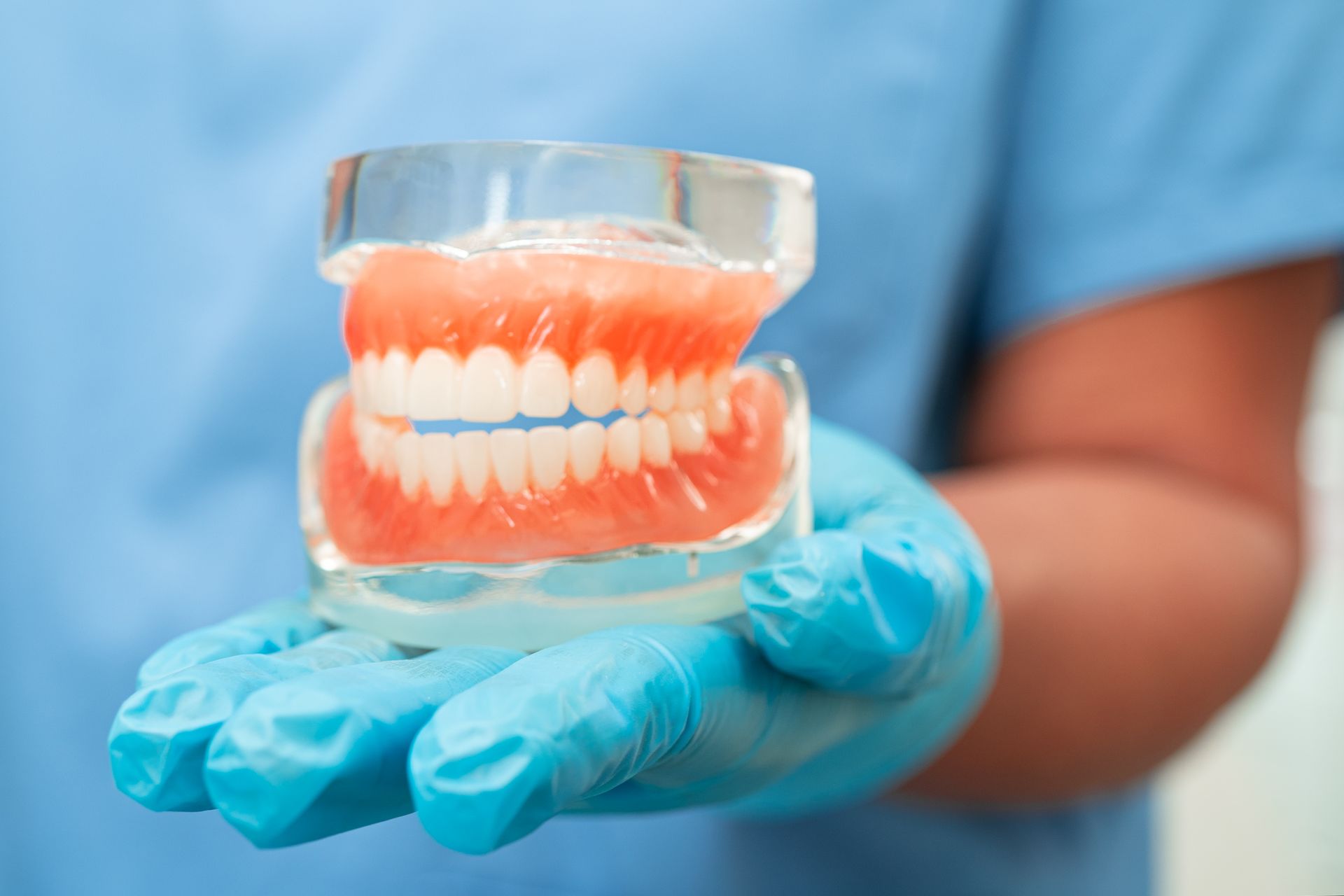
- An implant-supported denture (also called an overdenture)
The main goal is better function and stability compared to regular dentures, especially for chewing and speaking.
Common Treatment Options (All-on-4, All-on-6, etc.)
"Whole mouth" usually means replacing teeth on both arches (upper and lower). The most common full-arch options include:
All-on-4
- Often uses four implants to support a full arch of teeth
- Can be a good fit for some patients because it may reduce the number of implants needed
- All-on-4 dental implant pricing can look lower upfront than options that use more implants, but it depends on materials and what's included
All-on-6
- Uses more implants per arch for added support
- May be recommended for certain bite forces, bone conditions, or long-term stability goals
- All-on-6 dental implants cost may be higher than All-on-4 because it often includes more implants and components
Implant-supported dentures (overdentures)
- A removable option that "snaps" onto implants
- Can be more budget-friendly than fixed bridges in some cases
- Often easier to clean because you can remove them
When you see full arch implants pricing online, make sure you're comparing the same type of restoration. A removable overdenture and a fixed bridge are not priced the same way.
Who Is a Good Candidate?
Many adults can be candidates for whole mouth implants, but a few things matter most:
- Overall health and healing ability
- Gum health
- Jawbone volume and density
- Smoking habits (smoking can raise implant risks)
- Bite force and grinding/clenching
A good candidate doesn't have to be "perfect." But you do need a plan that matches your anatomy. That's why imaging and an exam matter before anyone can give a real number. If you're wondering whether you qualify, our guide on who's a candidate for All-on-4 covers many of the same considerations.


Factors That Influence the Cost of Full Mouth Dental Implants
Number and Type of Implants Used
This is one of the biggest drivers of total cost. In general:
- More implants usually means higher surgical and component costs
- Fewer implants may reduce the upfront price, but the design must still be strong enough for daily chewing
Also, implant brands and implant components can vary. Some cases need angled implants, special abutments, or extra parts to support the final teeth.
Material and Quality of Prosthetics
The "teeth" part of the treatment can make a big difference in full mouth implant pricing range.
Common material options include:
- Acrylic teeth on a strong base (often used in some hybrid designs)
- Zirconia-based bridges (often premium, very strong)
- Other durable composite materials
Higher-end materials can cost more but may offer benefits like better wear resistance, a more natural look, and fewer repairs over time. This part ties directly into implant material cost and long-term maintenance. If you're interested in different implant materials, check out our comparison of zirconia vs titanium dental implants.
Need for Bone Grafting or Additional Procedures
Extra procedures can raise the final total, sometimes by a lot. Examples include:
- Tooth extractions (if teeth need to be removed first)
- Bone grafting (to build up bone for implant support)
- Sinus lift
(often for upper implants)
- Treatment for gum infection or inflammation
These are common reasons why two people can get very different quotes for the same "whole mouth" goal. This is also why you'll see additional procedures cost (bone grafting, sinus lift) listed separately in many treatment plans.
Geographic Location and Provider Expertise
Where you get treatment can change cost due to:
- Local overhead and lab fees
- Regional price differences
- The experience level needed for complex full-mouth cases
Some people also compare costs across countries. Traveling can lower the sticker price for some patients, but it also adds considerations like:
- Follow-up care access
- Managing complications far from home
- Time needed for healing and return visits
This is a big part of geographic cost variation in whole mouth implant care.
Average Cost Range for Whole Mouth Dental Implants
Cost Per Arch vs Full Mouth
Most clinics quote either:
- Per arch (top OR bottom)
- Full mouth (top AND bottom)
So when someone asks about full mouth dental implants cost, the first question is: "Do you mean one arch or both?"
A helpful way to think about it:
- One arch is often a "full arch dental bridge cost" quote (or overdenture cost if removable)
- Full mouth is typically two arches combined, plus planning and follow-up that covers the full case
Cost also changes based on the restoration type:
- Fixed bridges are usually higher than removable overdentures
- More implants per arch often increases cost
- Premium materials often increase cost
If you're comparing implant cost per arch from different offices, ask each one to list:
- Number of implants
- Type of final teeth (fixed bridge vs removable)
- Materials
- What's included (imaging, temps, follow-ups, etc.)
Comparison to Other Tooth Replacement Options
Whole mouth implants are usually a bigger investment than:
- Traditional full dentures
- Partial dentures
- Some removable options without implants
But they may offer more stability and function than conventional dentures. Many patients compare:
- "Lower upfront cost" of dentures vs
- "Better stability and comfort" of implants
You'll often see implant options described as a whole mouth tooth replacement cost solution with a bigger upfront cost but potentially more comfort and confidence long-term. For a detailed breakdown of how these options stack up, read our guide on dentures vs dental implants.
What's Included in the Cost?
Initial Consultations and Imaging
A real quote should start with proper diagnostics. This can include:
- A full exam
- 3D imaging (often CBCT)
- Photos and digital scans
- Bite evaluation
- A treatment plan that explains options and risks
This is where the case is "built." Without it, cost estimates are often guesses.
Surgical Procedure and Placement
Surgical costs may include:
- Implant placement
- Sedation or anesthesia (if chosen)
- Surgical guides (in some cases)
- Medications and post-op care instructions
The surgical portion is a big part of dental implant procedure cost and can vary depending on complexity.
Final Prosthetic (Bridge or Denture)
This is the part you wear and chew with every day. It may include:
- Temporary teeth (sometimes called "temps" or a provisional)
- The final bridge or denture
- Lab work, design, and materials
- Bite adjustments for comfort and function
The final prosthetic choice is often the biggest driver of what people think of as "full mouth reconstruction price."
Follow-Up Visits and Maintenance
Follow-up matters more than most people realize. It may include:
- Healing checks
- Adjustments to bite and fit
- Cleanings and implant maintenance visits
- Repairs or replacement of worn parts (especially for removable options)
Ask if maintenance is included for a set period. A lower quote may not include follow-up care. For tips on keeping your implants healthy long-term, see our dental implant maintenance guide.
Ways to Make Dental Implants More Affordable
Dental Financing Plans
Many patients use monthly financing to spread out the cost. A few practical tips:
- Ask for the total cost, not just the monthly payment
- Confirm if the quote includes temps, final teeth, and follow-up care
- Ask what happens if extra procedures are needed after planning
Financing can make a bigger treatment doable, but you still want clarity on the full total.
Insurance Coverage Possibilities
Insurance varies widely. In many cases:
- Some plans help with extractions or imaging
- Some help with the denture/prosthetic portion
- Some do not cover implants (or cover a limited amount)
The key is to ask the office for a written breakdown you can compare to your benefits. For more details on what to expect, visit our cost of dental implants page.
Travel or Out-of-Country Options
Some patients look at treatment in other locations to reduce cost. This can work for certain people, but plan carefully:
- You may need multiple trips
- Healing timelines are not always predictable
- If you need an adjustment or repair later, you'll want local support
If you're considering travel, ask yourself: "If something needs a quick fix, who will handle it?"
Long-Term Value vs Upfront Cost
Durability and Maintenance
Whole mouth implants can be durable, but they still need care. Long-term value depends on:
- Implant health (bone and gum stability)
- Daily cleaning
- Regular checkups
- Avoiding habits that damage teeth (like chewing ice or severe grinding)
Some parts wear out naturally over time. That doesn't mean treatment failed, it means the system is being used. Planning for maintenance helps prevent surprise costs.
Functionality and Quality of Life Improvements
Many patients choose implants because they want:
- Better chewing
- More stable teeth for speaking
- Less movement than conventional dentures
- More confidence in social situations
This is the "why" behind the investment. The best plan balances cost with function, comfort, and your long-term goals.
Final Thoughts on Full Mouth Dental Implant Costs
If you take one thing from this guide, let it be this: "Whole mouth" isn't one single procedure, so the price won't be one single number. The cost changes based on your starting point, the number of implants, the type of restoration, the materials used, and whether extra procedures are needed.
When you compare quotes for dental implant cost whole mouth, focus on clarity:
- What type of teeth are included (fixed vs removable)?
- How many implants per arch?
- Are temps included?
- Are extractions, grafting, and follow-ups included?
- What materials are being used?
The best quote is the one that matches your needs, includes the important steps, and sets you up for long-term success.
If you're considering whole mouth implants, the most helpful next step is a consultation with 3D imaging and a written plan. That's how you get a real, personalized cost range, and understand exactly what's included before you commit.
Frequently Asked Questions
Tampa Dental Implants - Blog