Snap-In Dentures vs All-on-4 Dental Implants: Which Is Right for You?
Choosing how to replace a full set of teeth is a big decision. At Innate Dental Solutions, we help patients compare options like snap-in dentures and All-on-4 dental implants every week. Our team focuses on implant-based tooth replacement, so we see firsthand what works well for different mouths, budgets, and lifestyles. This guide is designed to give you clear, honest answers first, then explain the details so you can feel confident talking with your dentist.
In simple terms:
- Snap-in dentures are
removable dentures that attach to dental implants.
- All-on-4 is a
fixed full-arch bridge that stays in your mouth like natural teeth.
Both can give you a strong, attractive smile. The best option depends on how secure you want your teeth to be, how much maintenance you’re okay with, and your budget.
Understanding the Basics
What Are Snap-In Dentures?
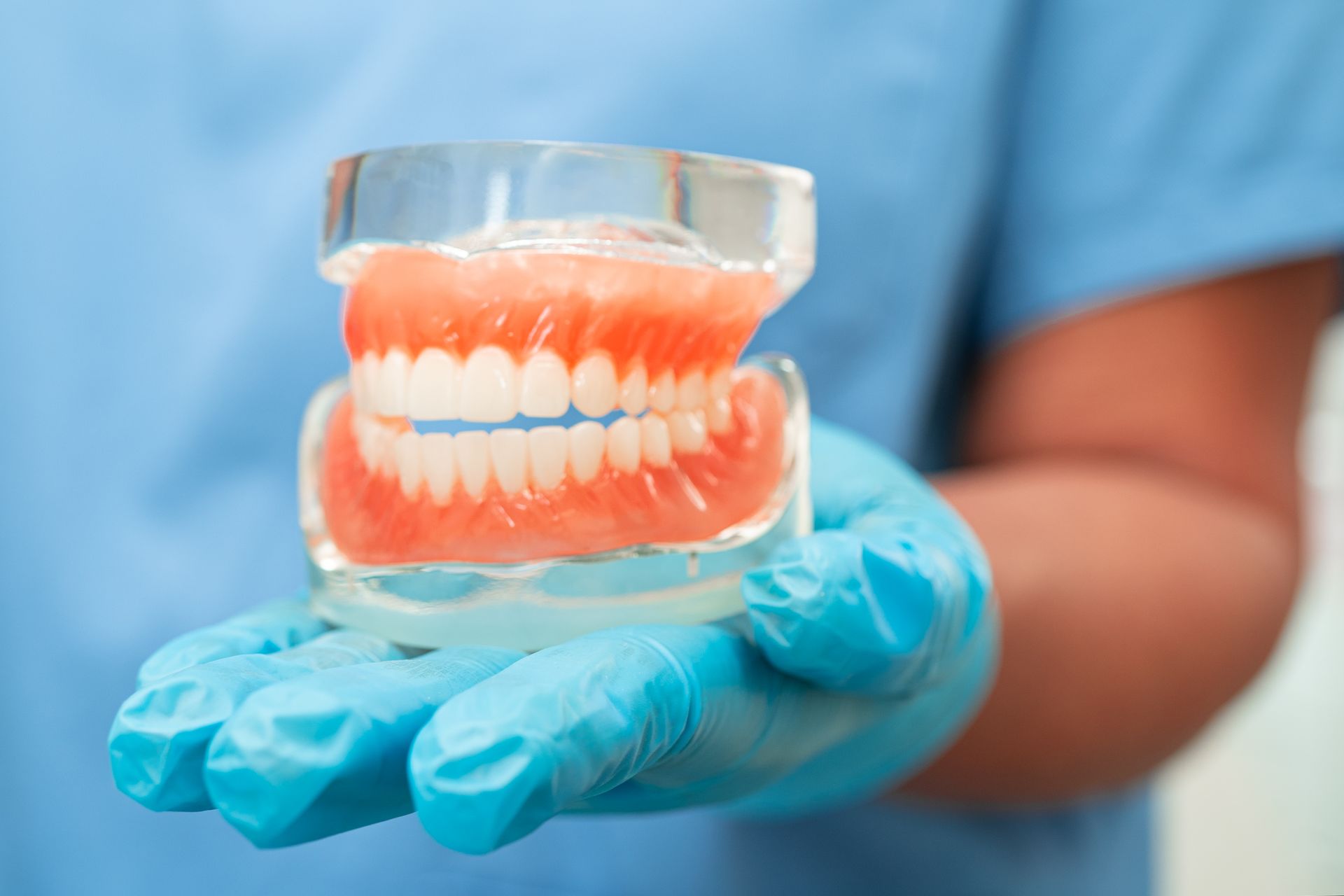
Snap-in dentures (also called implant-supported overdentures) are dentures that "snap" onto a few dental implants placed in your jaw.
- The implants act like anchors in the bone.
- The denture has special
snap-in attachments that click onto those anchors.
- You
take them out at home for cleaning and at night.
They are more stable than traditional dentures, especially when chewing, but they still have a bit of movement because the denture rests partly on the gums.
What Is the All-on-4 Dental Implant System?
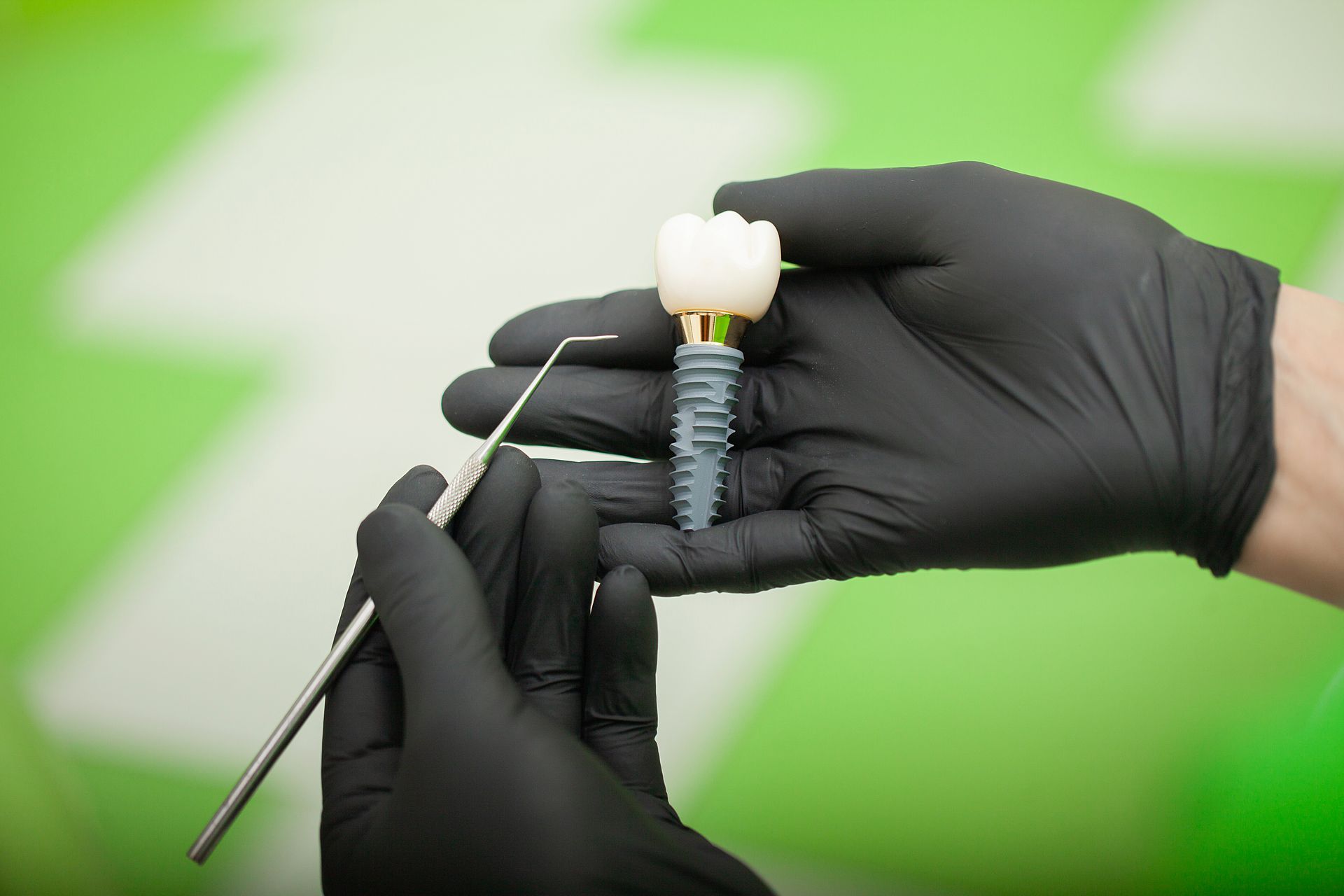
All-on-4 uses four or more implants to support a fixed full-arch bridge (a full row of teeth) that is permanently screwed in.
- The teeth stay in your mouth all the time.
- Only your dentist removes them during checkups.
- It is considered a type of
full-arch fixed implant or
fixed full-arch bridge implant.
All-on-4 usually feels more like having your own natural teeth back, with strong biting power and no slipping.

Key Differences Between Snap-In Dentures and All-on-4 Implants
Removable vs Fixed Options
- Snap-in dentures =
removable. You take them in and out each day.
- All-on-4 =
fixed. They stay in place 24/7.
If you prefer something that feels permanent and don’t want to remove your teeth, All-on-4 is usually the better fit. If you don’t mind removing your teeth for cleaning and want a lower cost, snap-in dentures may work well.
Function and Stability
Both options are better than traditional dentures, but they are not equal:
- Snap-in dentures are more stable than regular dentures but can still move slightly, especially on the lower jaw.
- All-on-4 implants are typically
much more stable and allow stronger biting and chewing.
If you want to comfortably eat tougher foods (like steak or crunchy vegetables), a removable snap-in denture versus fixed full-arch implant will usually feel very different in daily use, All-on-4 tends to win in stability.
Bone Preservation and Jaw Support
Dental implants help slow down bone loss in the jaw.
- Both
implant-supported overdentures and All-on-4 help with
jawbone preservation because implants stimulate the bone.
- All-on-4 often provides
more even support across the jaw, which can be helpful when there has already been bone loss.
If preserving facial shape and bone height is a top priority, All-on-4 often offers the strongest long-term support. In cases of significant bone loss, procedures like bone grafting or specialized options such as zygomatic dental implants may be necessary.
Oral Hygiene and Maintenance
- Snap-in dentures
- Remove them daily to brush your gums, implants, and the denture.
- Good for people who like the idea of cleaning everything in their hands.
- All-on-4 implants
- You brush and floss around the bridge like natural teeth, and may use special floss or water flossers.
- You don’t remove them at home; your dentist checks and cleans around the implants at visits.
Both require good home care and regular dental checkups to keep the implants healthy.
Cost Comparison and Long-Term Value
Initial Investment
In most cases:
- Snap-in dentures typically have a
lower upfront cost.
- All-on-4 usually has a
higher initial cost because it involves more implants, more complex planning, and a custom full-arch bridge.
This is why many people compare cost comparison denture options and ask specifically about cost comparison snap-in dentures and All-on-4 implants during their consultation. For more detailed information, see our guide on the cost of dental implants.
Maintenance Costs Over Time
Over the years, you may need:
- For
snap-in dentures: new denture liners, replacement snap attachments, or even a new denture as it wears.
- For
All-on-4: occasional repairs or adjustments to the bridge, plus professional cleanings.
All-on-4 can offer strong long-term value if you want a solution that feels more permanent and may need fewer major changes over time.
Insurance and Financing Options
Dental insurance may cover part of the treatment, but full-arch implant care is often only partially covered. Many offices offer financing plans to spread out payments. It’s best to bring your insurance details to your visit so the team can check your specific benefits.
Candidacy and Treatment Time
Who Is a Good Candidate?
You may be a good candidate for either option if you:
- Are
missing most or all of your teeth, or they are failing
- Are healthy enough for minor oral surgery
- Are willing to keep up good daily oral hygiene
- Have enough bone to support implants (or are open to bone grafting if needed)
For All-on-4 versus overdenture, even people with moderate bone loss can sometimes qualify because the implants are placed at special angles to use the bone that is still there.
What to Expect During the Procedure
For both snap-in dentures and All-on-4, treatment usually includes:
- Exams, X-rays, and possibly 3D scans to plan your implants
- Implant placement surgery
- A healing period to let the implants bond with the bone
- Fitting and attaching your new teeth
With All-on-4, many patients can leave the same day with a fixed temporary bridge, then get a final bridge later. With snap-in dentures, you may wear a temporary denture while the implants heal before the final dental implant supported dentures are attached.
Pros and Cons of Each Option
Snap-In Dentures: Pros and Cons
Pros:
- Usually lower upfront cost
- More stable than traditional dentures
- Removable for easy cleaning
- Often fewer implants needed
Cons:
- Still some movement when chewing or talking
- Must be removed daily
- Attachments can wear out and need replacement
All-on-4 Implants: Pros and Cons
Pros:
- Fixed,
removable vs permanent implant dentures strongly favors permanent
- Very stable for chewing and speaking
- Can help maintain jawbone and facial shape
- Feels closer to natural teeth
Cons:
- Higher initial cost
- Requires good oral hygiene around the bridge
- Not everyone is a candidate without extra procedures
Making the Right Choice for Your Smile
Both snap-in dentures and All-on-4 can give you a confident, natural-looking smile. The best choice depends on:
- How important a fixed, non-removable solution is to you
- Your budget and comfort with
cost comparison denture options
- Your bone health and overall medical history
- How much maintenance you are willing to do at home
Talking with an implant dentist who understands both options is the most reliable way to decide.
Schedule a Consultation
If you're comparing snap in dentures vs all on 4 and still feel unsure, the next step is a thorough exam and honest conversation. At Innate Dental Solutions, we review your goals, your health, and your X-rays, then walk you through clear options, whether that's snap-in dentures, All-on-4, or another treatment like All-on-6 implants.
You don’t have to figure this out alone. Schedule a consultation to find out which solution fits your smile, your lifestyle, and your budget.
Frequently Asked Questions
Tampa Dental Implants - Blog