All-on-4 Recovery Timeline: What to Expect After Surgery
Introduction to All-on-4 Recovery
At Innate Dental Solutions, our team works closely with implant dental professionals and full-arch patients every day. This guide is built from real recovery conversations, common post-op instructions, and what experienced clinicians expect patients to feel week by week. If you're researching all on 4 recovery time, our goal is to give you clear answers first, then helpful details so you can plan with confidence.
All-on-4 recovery is usually smoother than people fear, but it still takes time. You may feel sore and swollen at first. Then you'll steadily improve, while the implants bond to the bone over the next few months.
Understanding the All-on-4 Procedure
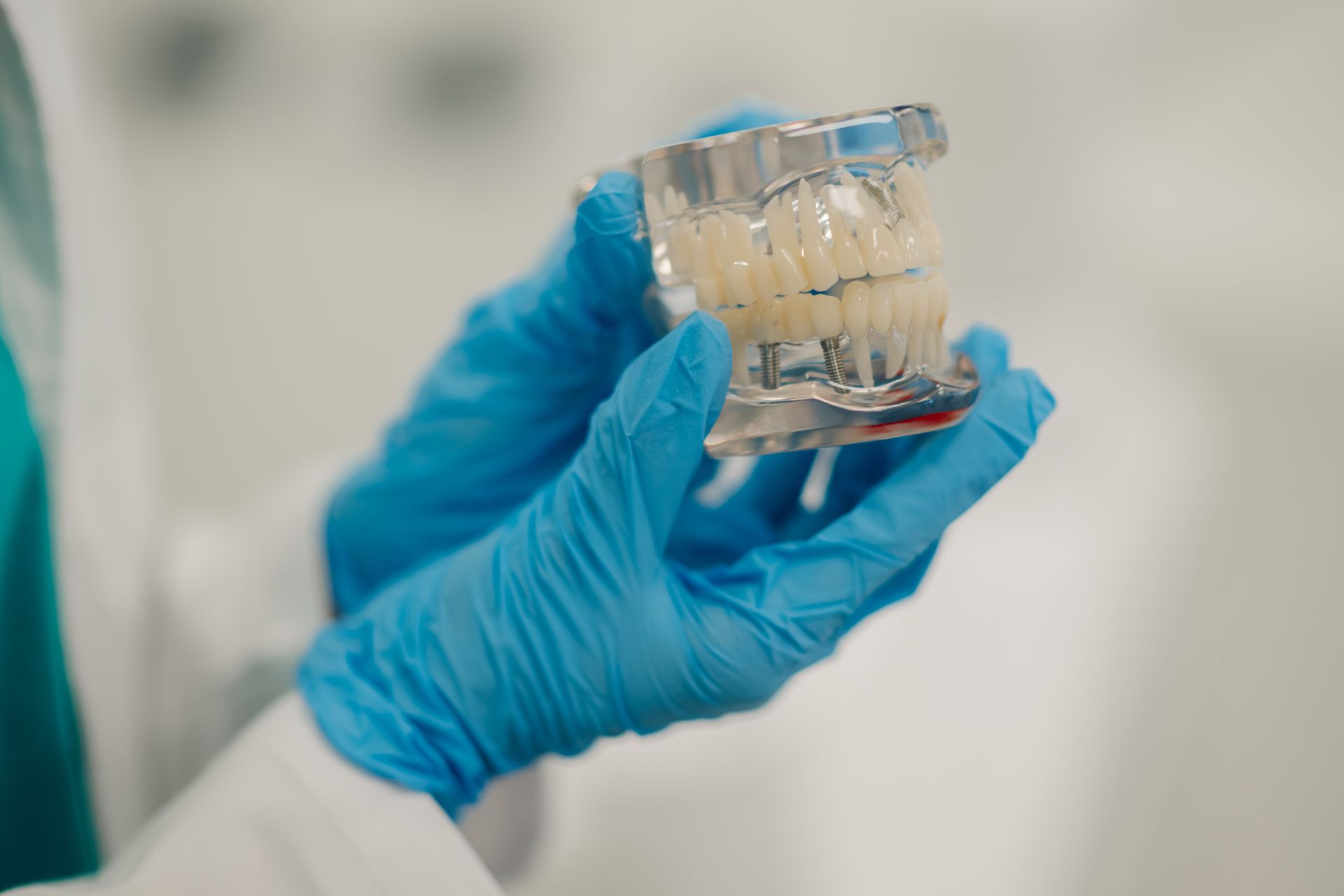
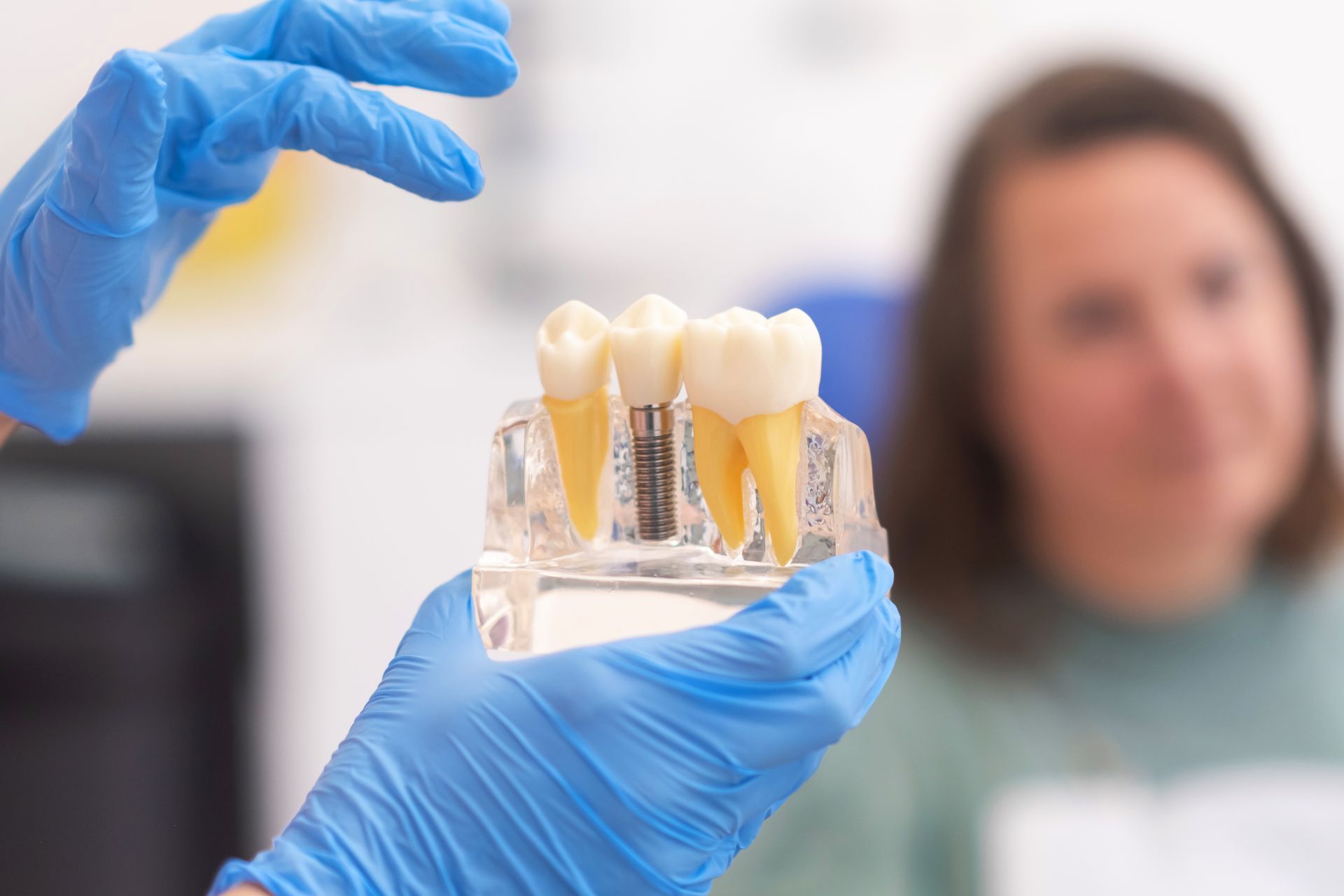
All-on-4 is a full-arch tooth replacement that uses four implants to support a fixed set of teeth. Many patients leave surgery with a temporary (provisional) set of teeth. Healing continues underneath while the implants fuse to the jawbone.
Why Recovery Time Matters
Knowing the typical all on 4 recovery timeline helps you plan time off work, prepare meals, and avoid setbacks. The biggest key is protecting the implants during early healing so they stay stable while the bone heals.
Immediate Post-Surgery Period (First 24–48 Hours)
The first two days are usually the most intense part of the all on 4 recovery time. Expect swelling, tightness, and fatigue. Most people spend this time resting and following strict all on 4 post surgery instructions.
Common Side Effects After Surgery
It's normal to have:
- Swelling in the cheeks or jaw
- Mild bleeding or oozing
- Bruising on the face or neck
- Soreness in the gums and jaw muscles
- A "full" or tight feeling around the mouth
Swelling often peaks around day 2 or 3, then slowly goes down.
Initial Pain and Swelling Management
Straight answer: swelling and soreness are expected, and they usually improve after the first few days.
What helps most:
- Take medications exactly as prescribed
- Use ice packs on and off during the first day (or as instructed)
- Keep your head elevated when resting
- Avoid heavy activity and bending over
- Don't smoke or vape (this can slow healing and raise risk of failure)
If pain is getting worse instead of better after a few days, that's a reason to call your dental team.
What to Eat and Drink in the First Days
Stick to cool or room-temperature liquids and very soft foods. Your goal is to avoid chewing and avoid heat that can increase bleeding.
Good choices include:
- Smoothies (no seeds)
- Yogurt
- Applesauce
- Protein shakes
- Broth (not hot)
Avoid straws unless your surgeon says they're okay. Suction can disturb healing. Also avoid crunchy foods, spicy foods, and alcohol.
First Week After Surgery
This is where most people notice daily improvement. You may still feel puffy and tender, but you should be moving in the right direction. The focus is protecting the implants and keeping the mouth clean.
Healing Milestones and Restrictions
Straight answer: by the end of the first week, swelling is usually improving and bleeding should be minimal.
Common activity restrictions after surgery include:
- No heavy lifting or intense workouts
- No smoking
- Limit alcohol
- Avoid chewing with the temporary teeth (follow your provider's exact rules)
Even if you feel "fine," the implants are still stabilizing. Overdoing it can slow the dental implant healing time.
Oral Hygiene Instructions
Good cleaning lowers infection risk and supports healing.
Most post-op plans include:
- Gentle rinsing (often saltwater) starting when instructed
- Very gentle brushing away from surgical areas at first
- Keeping the tongue clean
- Avoiding aggressive swishing or spitting early on
If you were given special rinses or tools, use them exactly as directed. Oral hygiene is a big part of the all on 4 healing process.
When to Contact Your Dentist
Call your provider if you notice:
- Bleeding that won't slow down
- Fever or chills
- Severe swelling that keeps increasing after day 3
- Pus, a bad taste that won't go away, or strong odor
- Pain that suddenly spikes or doesn't improve
- A temporary bridge that feels loose or rubs badly
Quick support can prevent small problems from turning into big ones.
Weeks 2–4: Transition Phase
This phase often feels more "normal." Swelling and bruising fade. Energy returns. But the implants are still healing under the surface, so you still need caution.
Decrease in Swelling and Discomfort
Straight answer: most people feel noticeably better by week 2.
You may still have:
- Mild tenderness when you press on the gums
- Tightness in the jaw (especially in the morning)
- Small sore spots from the temporary teeth
Your dental team may adjust the temporary teeth so they fit more comfortably.
Gradual Return to Normal Activities
Many patients return to work well before week 2, depending on the job and how they feel. Light exercise is often okay once you're cleared, but avoid impact and heavy straining until your provider approves it.
This is also when patients sometimes get overconfident. Even if you feel good, follow the plan. Protecting the implants now supports long-term success.
Diet Progression and Care Tips
Straight answer: you can usually add more foods, but you still should avoid hard chewing.
Common "soft food" options during this stage:
- Scrambled eggs
- Soft fish
- Pasta
- Cottage cheese
- Mashed potatoes
- Soft-cooked vegetables
Avoid chips, nuts, crusty bread, tough meat, and sticky candy. Those foods can overload healing implants and slow the dental implant recovery stages.
1 to 3 Months Post-Surgery
This is the heart of the all on 4 healing process stages. You may feel mostly fine, but the bone is doing important work. The implants are bonding to your jawbone, which is called osseointegration.
Osseointegration and Long-Term Healing
Straight answer: implants need time to fuse with the bone, and this is why the full all on 4 recovery time is measured in months, not days.
During this stage:
- Your bite may be adjusted more than once
- Your gums continue to mature and tighten
- Chewing rules may slowly change, depending on your case
If you grind your teeth, your provider may recommend added protection to reduce stress on the implants.
Check-Ups and Adjustments
Follow-up visits matter. Your dental team checks healing, cleans around the temporary, and makes sure your bite is balanced. A bite that hits too hard in one spot can lead to soreness or complications.
Managing Expectations During Recovery
It's normal to have good days and not-so-good days. Mild soreness can come and go, especially after adjustments. If you notice new swelling, persistent pain, or changes in how the teeth fit, let your provider know.
Long-Term Care and Full Recovery
Full recovery means you feel comfortable, your gums look healthy, and your implants are stable. Many patients move from temporary teeth to final teeth after adequate healing, based on the plan your provider sets.
Signs You're Fully Healed
Straight answer: "fully healed" looks like comfort, stability, and healthy tissue.
Common signs include:
- No ongoing swelling or throbbing
- Gums look pink and calm (not puffy or bleeding)
- You can speak comfortably
- The bridge feels stable and secure
- Your dental team confirms the implants are integrating well
Maintaining Results with Good Habits
All-on-4 still needs daily care. Helpful habits include:
- Brushing as directed (often with a soft brush)
- Cleaning under the bridge with tools your provider recommends
- Regular
professional cleanings
- Wearing a night guard if advised
- Keeping up with follow-ups even when things feel great
This is a big part of long-term all on 4 aftercare.
Avoiding Complications Over Time
To lower risk long-term:
- Don't ignore bleeding gums
- Don't wait months to address a loose or rubbing area
- Avoid smoking if possible
- Stay consistent with home care
Good maintenance helps prevent inflammation and protects your investment. If you notice signs of implant failure, contact your provider immediately.
Final Thoughts on the All-on-4 Recovery Timeline
Most people find that the toughest part of the all on 4 recovery time is the first few days. After that, recovery becomes more manageable, with steady improvements. The most important idea is simple: you may feel better quickly, but the implants still need time to fully heal.
If you're considering All-on-4 or you're preparing for surgery, schedule a visit with an experienced implant provider to review your health history, timeline, and healing plan. Learn more about
whether you're a good candidate for All-on-4 or explore the differences between
snap-in dentures vs All-on-4. A personalized recovery plan (including diet, hygiene, and activity restrictions) makes the process clearer and helps you heal with fewer surprises.
Frequently Asked Questions About All-on-4 Recovery
Tampa Dental Implants - Blog