Dentures vs Dental Implants: Which Is Better for Long-Term Comfort and Cost?
Introduction to Tooth Replacement Options
At Innate Dental Solutions, we work closely with dental teams and patient education content every day, so we see the same real-world questions come up again and again, especially about dentures vs dental implants. This guide is educational (not salesy) and meant to help you understand your options before you talk with a dentist who can evaluate your mouth, bone, and health history.
Straight answer upfront: Dental implants are usually better for long-term comfort and stability, but they cost more at the start and require surgery. Dentures are usually cheaper upfront and don't require surgery, but they can move, may feel bulky, and often need adjustments over time.
Why Choosing the Right Solution Matters
Tooth loss affects more than your smile. It can change how you eat, how you speak, and how confident you feel. The right choice can also protect your jawbone and make daily life easier.
Overview of Dentures and Dental Implants
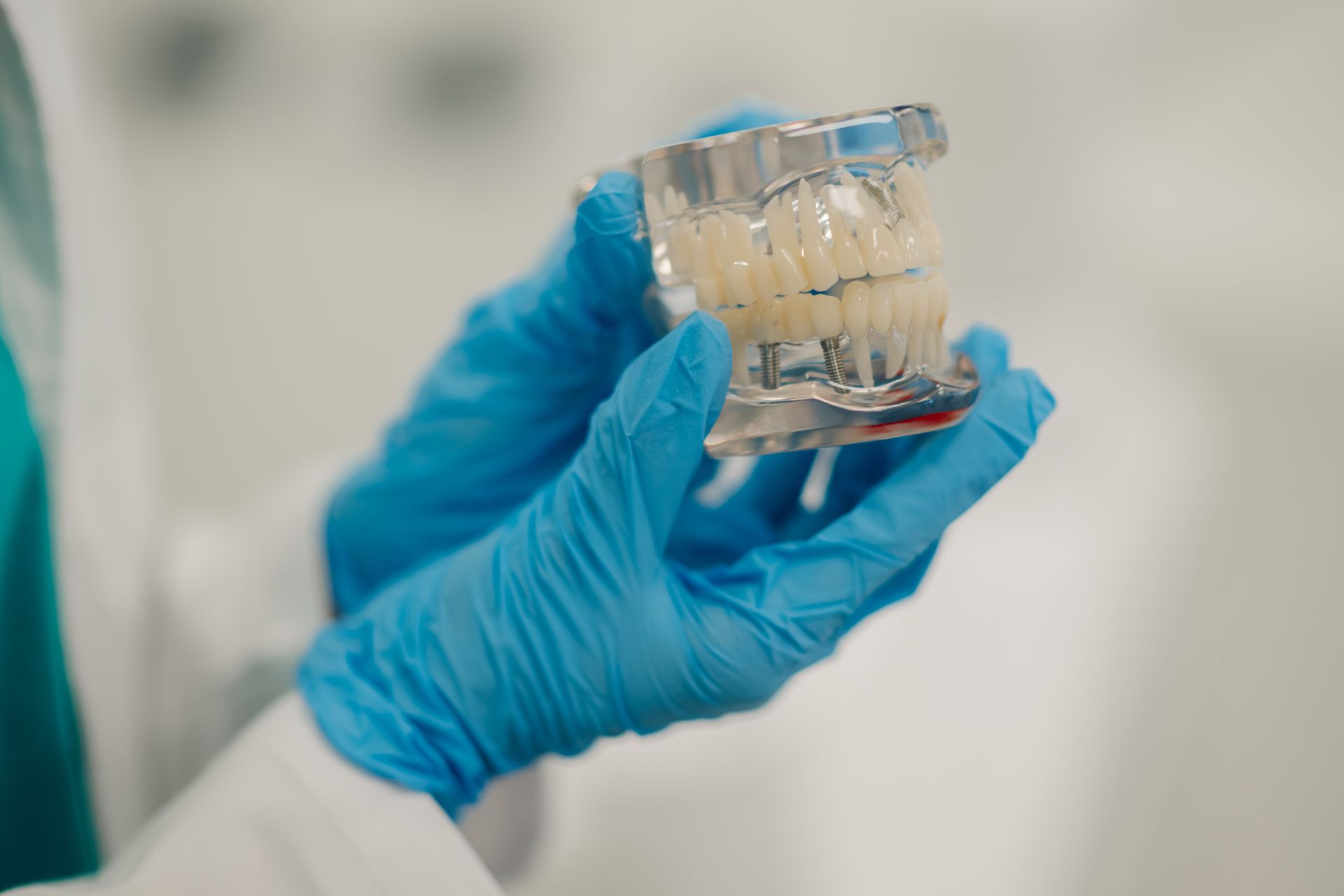
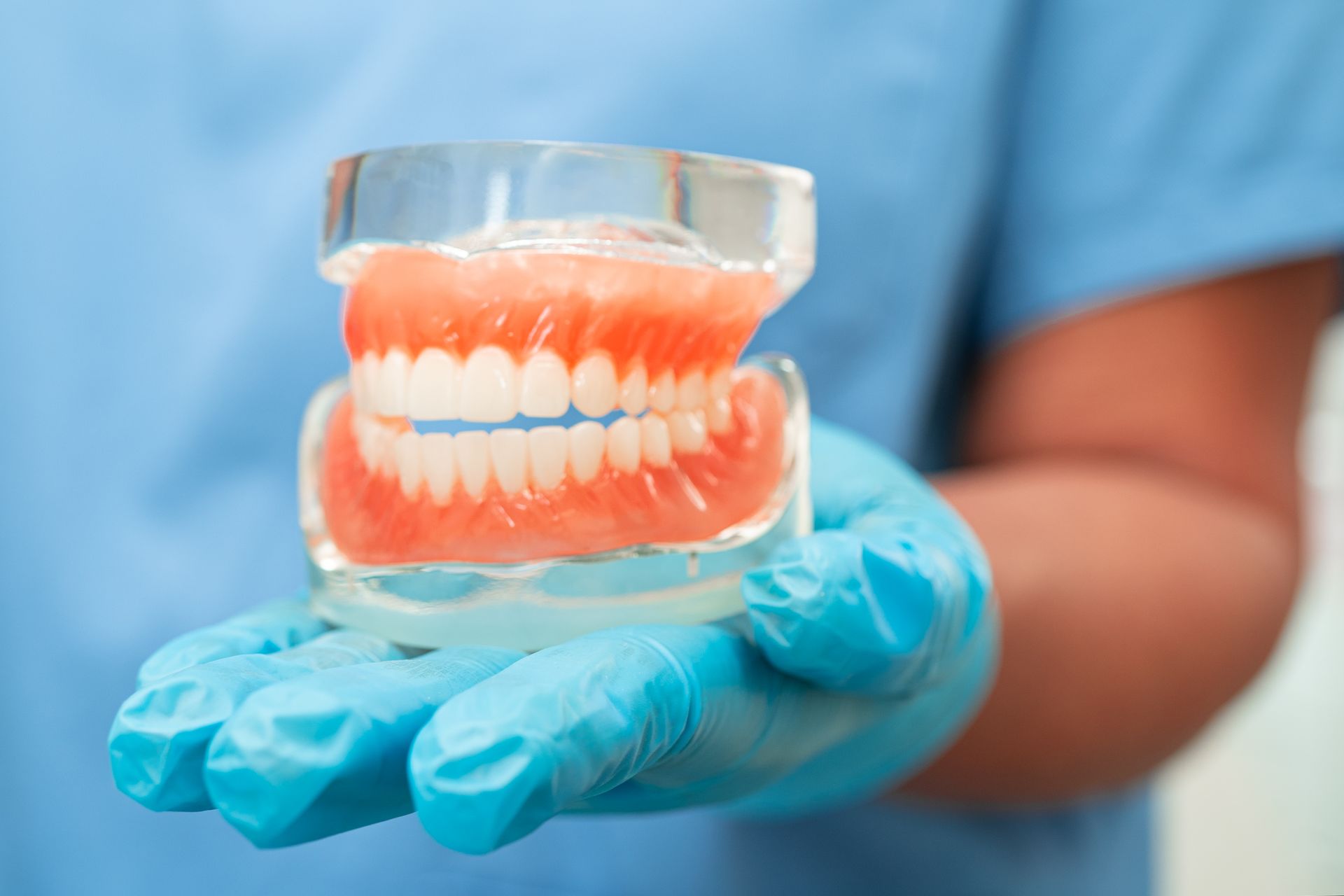
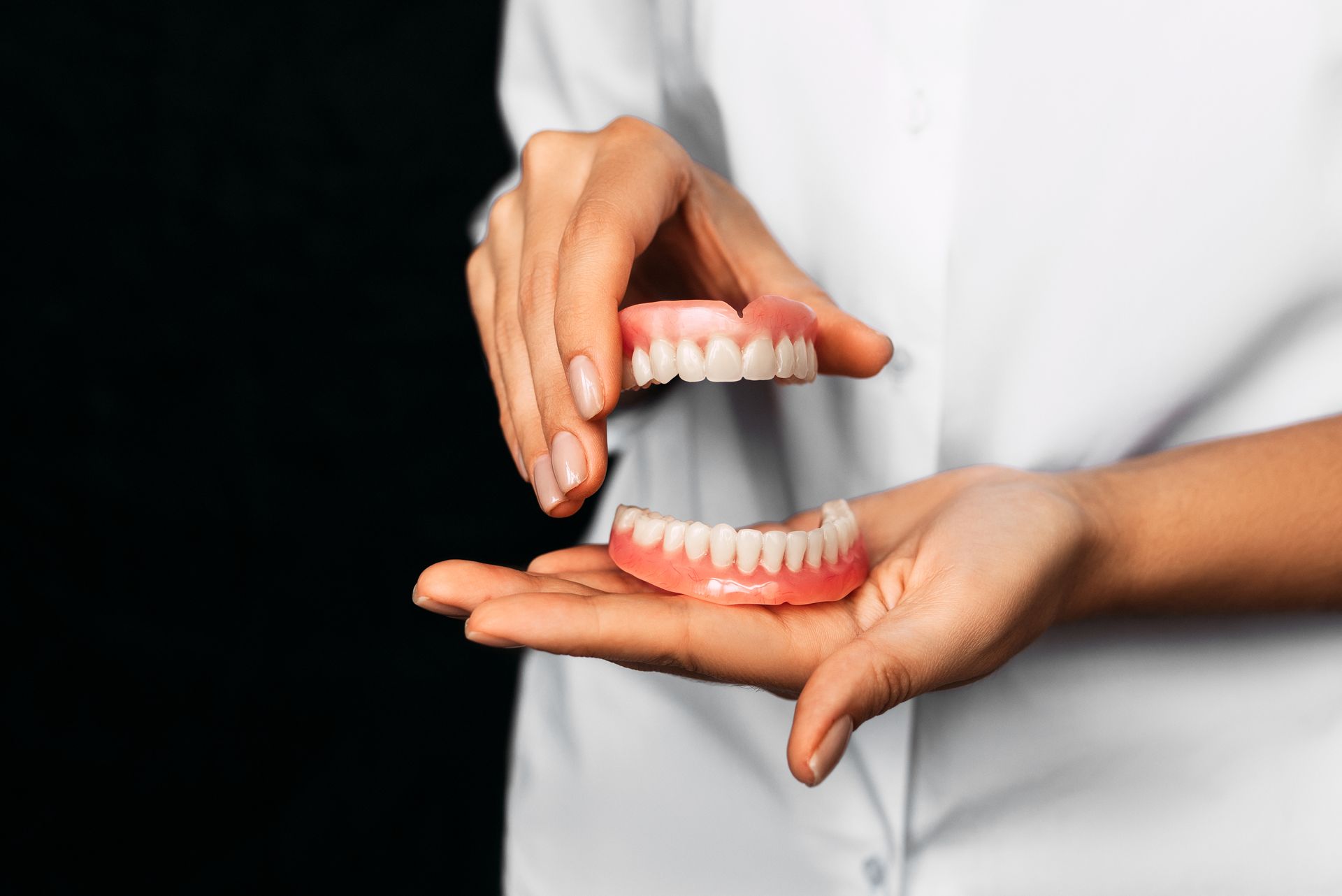
Dentures are removable teeth replacements that sit on your gums. Dental implants are small posts placed in the jawbone that support a crown, bridge, or full-arch teeth. Both can look natural, but they feel very different.
What Are Dentures?
How Dentures Work
Dentures rest on top of your gums. Upper dentures often use suction (and sometimes adhesive). Lower dentures tend to move more because the tongue and cheeks push against them.
Types of Dentures Available
You may hear about:
- Full dentures (replace all teeth on top, bottom, or both)
- Partial dentures (replace some teeth and clasp to natural teeth)
- Immediate dentures (placed soon after extractions)
- Implant-supported dentures (dentures that "snap" or attach to implants for added hold)
Implant-supported dentures can be a middle option if you want more stability but aren't ready for a fixed full-arch implant bridge.
Pros and Cons of Dentures
Denture pros and cons are pretty clear:
Pros
- Lower upfront cost for many patients
- No implant surgery
- Faster to start (often fewer appointments)
Cons
- Can slip or rub, especially on the lower jaw
- May reduce bite strength and chewing ability
- Often need relines, repairs, or replacement over time
- Do not stop jawbone shrinkage the same way implants can
What Are Dental Implants?
How Implants Work
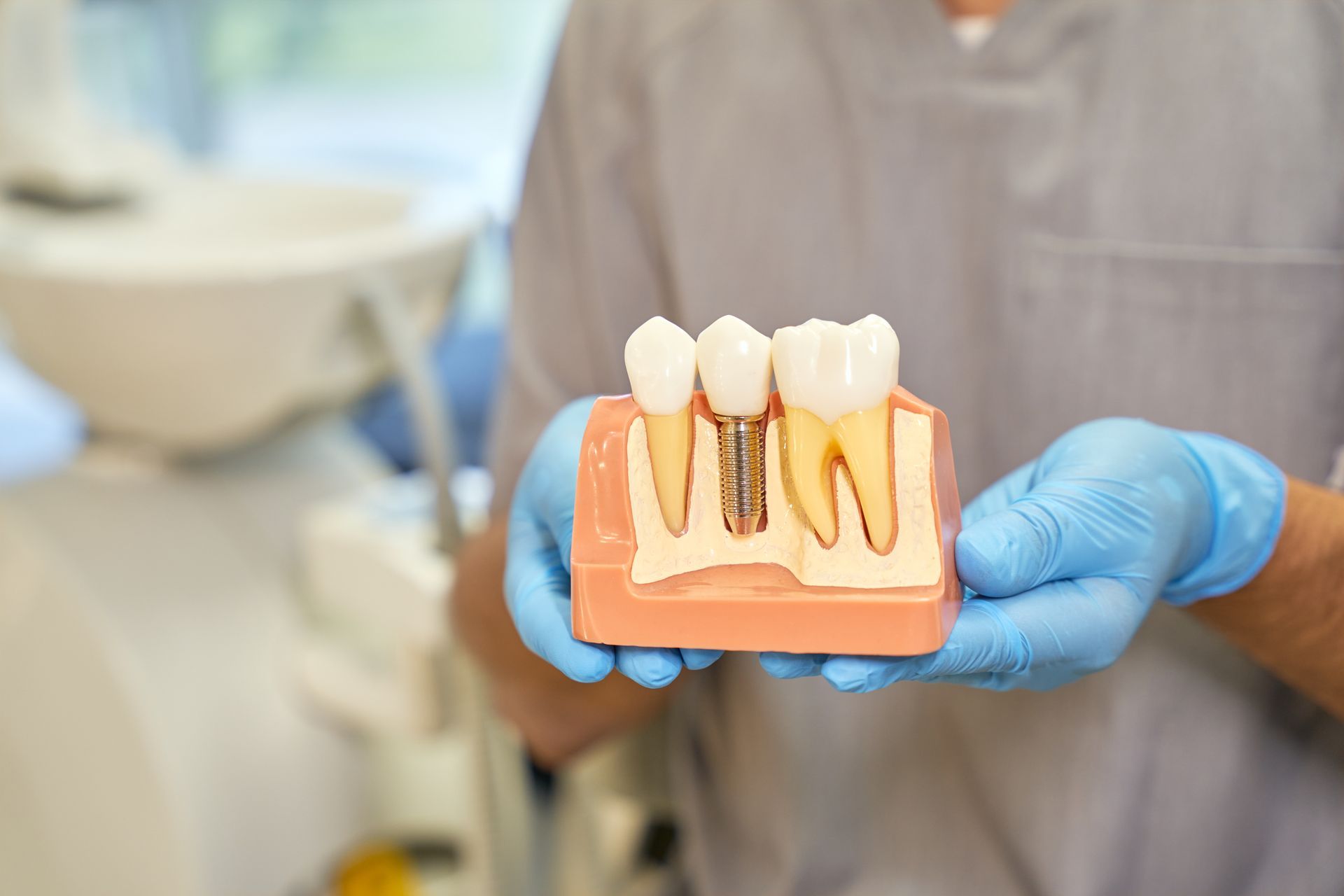
A dental implant is placed into the jawbone. Over time, the bone bonds to it. Then a crown, bridge, or full set of teeth is attached. This is why implants often feel closer to natural teeth than removable dentures.
Types of Dental Implants
Common options include:
- Single-tooth implants (one implant + one crown)
- Implant bridges (several teeth supported by implants)
- Full-arch implants (like
All-on-4 style solutions)
- Mini implants (in select cases, often for stabilizing dentures)
Your dentist will recommend a plan based on bone, bite, and goals.
Pros and Cons of Dental Implants
Here are the dental implant pros and cons:
Pros
- Strong and stable chewing
- Usually more comfortable (no rubbing on gums)
- Helps support jawbone and reduce bone loss
- Can last many years with good care
Cons
- Higher upfront cost
- Requires surgery and healing time
- Not everyone is an ideal candidate without added steps (like bone grafting)
Comparing Dentures and Dental Implants
Comfort and Fit
If you're asking which is more comfortable, dentures or implants, most patients say implants feel more secure and natural. Dentures can feel bulky at first and may cause sore spots, especially during the adjustment period. Lower dentures can be the most frustrating because they move more.
That said, well-made dentures can still be comfortable, especially when they fit properly and you keep up with adjustments.
Aesthetics and Natural Appearance
Both can look great when designed well. Implants often help keep facial shape because they support the bone and structure. Dentures can also restore your smile, but as the jawbone shrinks over time, dentures may not fit as well and the face can look "sunken" without updates.
Functionality and Bite Strength
In many cases, implants provide better chewing power and confidence with foods like steak, apples, or crunchy vegetables. Dentures can limit what you eat, especially early on, because they may shift or pop loose.
Maintenance and Daily Care
Dentures must be removed and cleaned daily. Many people also use adhesive. Dentures should be stored properly to prevent warping and should be checked for fit.
Implants are cleaned like teeth, but you still need daily hygiene and regular dental cleanings. With full-arch implant teeth, you may need special tools (like floss threaders or water flossers) to clean under the bridge. Learn more about dental implant maintenance.
Cost Comparison: Dentures vs Dental Implants
Initial Costs
When people compare the cost of dental implants vs dentures, dentures usually win on upfront price. Implants cost more because of surgery, parts, and planning.
But the "cheapest today" option isn't always the cheapest over time. For detailed pricing information, see our guide on the cost of dental implants.
Long-Term Value and Maintenance Expenses
Dentures often need:
- Relines as your gums and bone change
- Repairs if they crack or teeth wear down
- Replacement every so often due to fit and wear
Implants often have higher upfront cost, but they may offer better long-term value because they can last longer with proper care. That's one of the biggest long-term benefits of dental implants.
Insurance and Financing Options
Coverage varies a lot. Some plans help more with dentures than implants. Many offices also offer financing plans, which can make implants more realistic for patients who want a long-term solution.
Longevity and Oral Health Impact
Durability Over Time
Dentures can last for years, but fit often changes as the jaw changes. Implants can be very durable, especially when you keep gums healthy and avoid smoking. No option lasts forever without maintenance, but implants often have the edge for long-term stability.
Bone Preservation and Jaw Support
This is a major difference. After tooth loss, the jawbone can shrink over time. Dentures sit on top of the gums and don't stimulate the bone the same way. Implants place chewing forces into the jaw, which can help maintain bone and facial support. If you've experienced significant bone loss, you may still be able to get dental implants with proper treatment.
Oral Hygiene Considerations
Dentures still require good oral care: cleaning the gums, tongue, and any natural teeth. Implants require consistent brushing and professional cleanings to prevent inflammation around implants.
Which Option Is Right for You?
Lifestyle Factors to Consider
Dentures may fit better if you want:
- Lower upfront cost
- No surgery
- A removable option
Implants may fit better if you want:
- Strong chewing and a secure feel
- Less slipping and fewer sore spots
- A more "teeth-like" daily experience
Health Conditions and Bone Density
Implants require enough bone and healthy healing. Smoking, uncontrolled diabetes, and certain medical conditions can raise risk. Some patients need bone grafting. A dental exam and imaging are the only way to know what's best for your mouth.
Budget and Long-Term Goals
If budget is the main concern, dentures can be a good starting point. If long-term comfort, stability, and bone support matter most, implants are often worth considering, even if it takes planning.
Making the Right Choice for Long-Term Comfort and Cost
In the dentures vs dental implants debate, there isn't one "best" choice for everyone.
Dentures are often more affordable upfront and avoid surgery. Implants usually provide better comfort, stronger chewing, and long-term support, at a higher starting cost. The best choice comes down to your health, your budget, and how you want your teeth to feel day to day.
If you're deciding between dentures and implants, the next best step is a consultation with an experienced dentist or implant provider. Wondering if you can get dental implants if you have no teeth? Or want to understand the differences between snap-in dentures vs All-on-4? Ask for a full evaluation, a clear treatment plan, and a breakdown of both upfront and long-term costs so you can choose with confidence.
Frequently Asked Questions About Dentures vs Dental Implants
Tampa Dental Implants - Blog