Same-Day Dental Implants: What "Teeth in a Day" Really Means
At Innate Dental Solutions, our clinical team plans and restores implant-supported teeth every week, including immediate loading cases where patients leave with fixed temporary teeth the same day. We see what makes these cases succeed (and what can cause problems), so this guide is written to be clear, practical, and not salesy, just the facts and how the process usually works.
"Teeth in a Day" - Myth, Reality, and What Happens in One Appointment
If you're searching "dental implant same day," here's the straight answer upfront: same-day implants usually mean you can have implants placed and leave with temporary teeth that day. It does not usually mean your final, long-term teeth are finished in one visit.
What can be completed the same day (implants + temporary teeth)
In many "teeth in a day" cases, the dental team can do most or all of the following in a single appointment:
- Remove failing teeth (if needed)
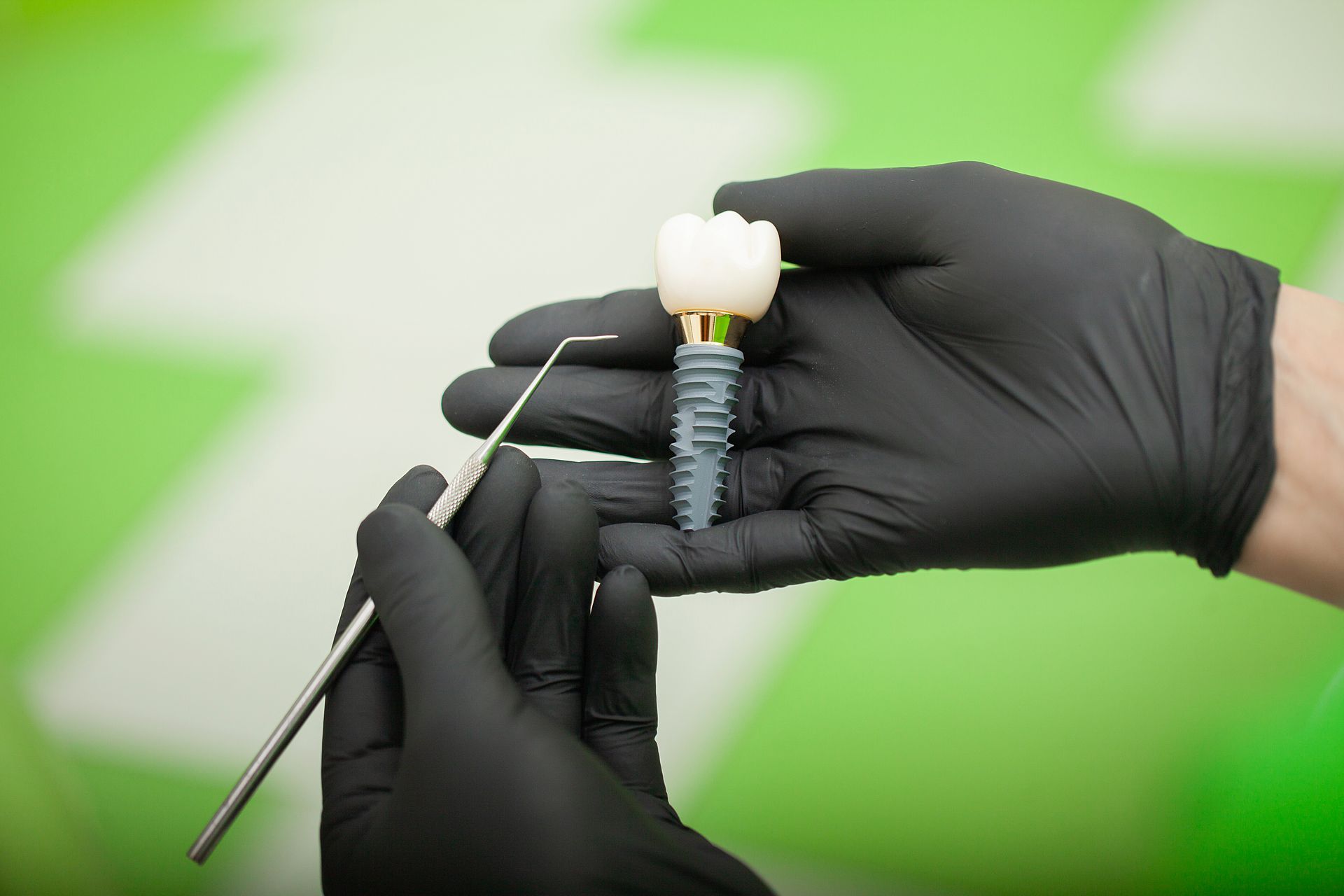
- Place dental implants (often four to six implants per arch)
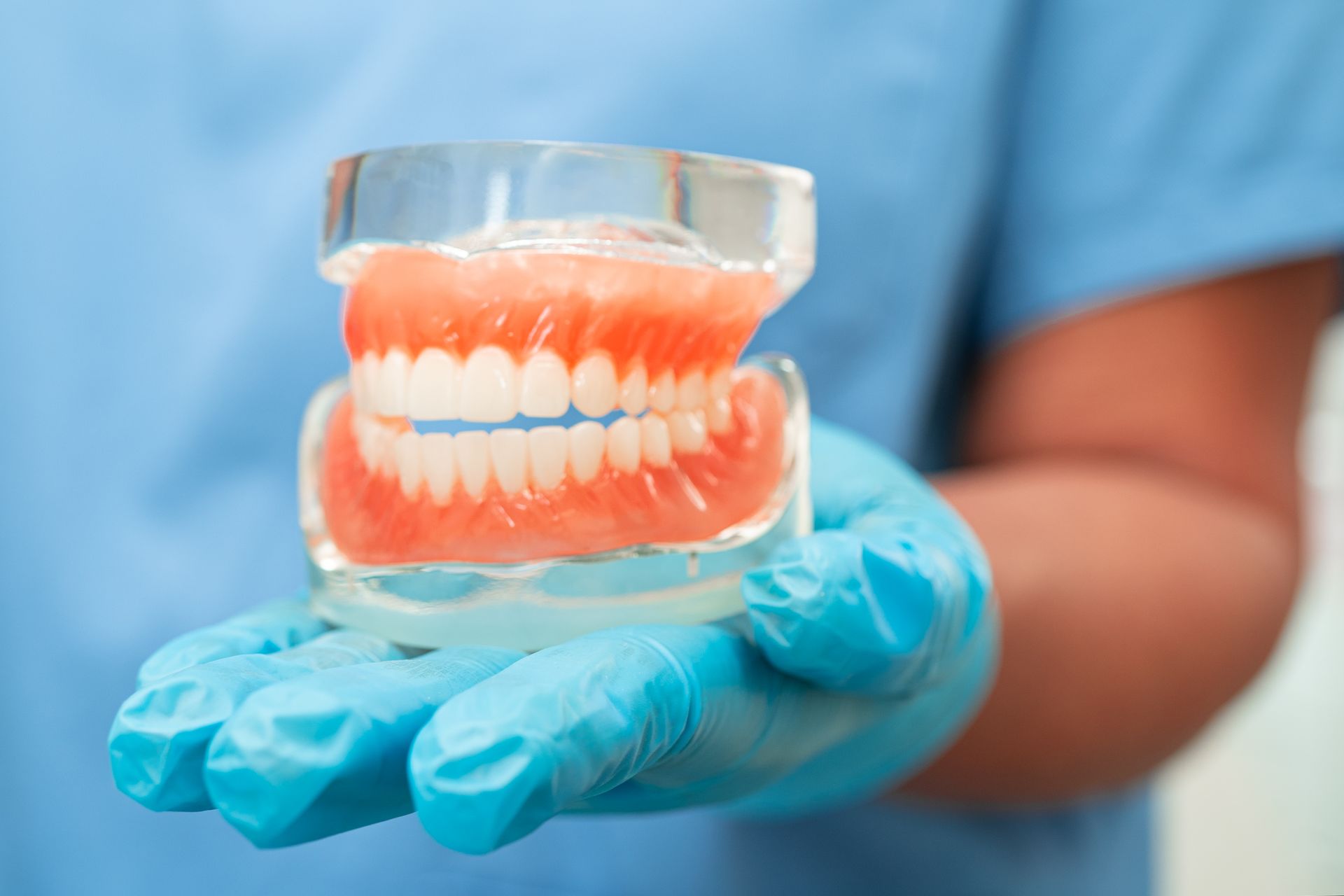
- Attach a temporary fixed bridge the same day
- Set your bite so you can smile and speak with confidence right away
This is often called immediate loading or an immediate load technique.
What still takes time (healing, integration, final teeth)
Even with same-day teeth, your implants still need time to heal and bond with bone (osseointegration). That healing period is important because it helps the implants become stable enough to hold your final restoration long-term. During healing, you typically follow a soft-food diet at first, come in for follow-ups and adjustments, and protect the temporary teeth while bone integration happens. After healing, the temporary restoration is replaced with your final restoration, often made from stronger materials like zirconia or layered ceramics.

What Same-Day Dental Implants Actually Are
"Same-day dental implants" is a broad phrase. It can describe more than one type of treatment.
Immediate loading vs. traditional implant timelines
Traditional implants often follow this pattern: implant placed, healing period, tooth or bridge placed later. With immediate loading, temporary teeth are attached the same day as the implants, and final teeth are placed after healing. Immediate loading is not "better" for everyone, it's simply a different timeline that depends on stability, bone support, and planning. For a full walkthrough of how the standard implant process unfolds, see our guide on how a dental implant is inserted from consultation to crown.
Full-arch "same-day teeth" vs. single-tooth same-day cases
Most "teeth in a day" marketing refers to full-arch dental implant restoration, replacing all upper teeth, all lower teeth, or both. Single-tooth cases can sometimes get a temporary tooth quickly too, but it depends on the location, bite pressure, and whether the implant is stable enough at placement. Front teeth can be easier to temporize than back teeth that take heavy chewing forces.
The Core Concept: Stability Comes From Strategic Implant Placement
Same-day implant teeth work best when the implants are placed in strong bone and positioned to support a stable bridge.
Why implant position and bone support matter
For immediate loading, the implants must have strong initial stability. That stability is influenced by jawbone density and volume, implant length and diameter, implant position and angle, whether extractions were needed, and your bite forces. If the bone is too soft or the implant can't be stabilized well, your dentist may recommend a staged approach instead of pushing for same-day loading.
All-on-4 / All-on-X as a "teeth in a day" framework
Many same-day full-arch cases use an All-on-4 or All-on-X approach. All-on-4 commonly uses four implants per arch, with the back implants angled to maximize support. All-on-X means using more than four implants, like five or six, when anatomy, bite force, or goals call for it. The goal is the same: create a stable foundation for an implant-supported bridge so you can leave with fixed temporary teeth.
How the Same-Day Process Works From Start to Finish
Even though the teeth can be placed quickly, the process still has stages. The "same day" part is usually the surgery day plus temporary teeth.
Initial consultation and diagnostics (exam, digital imaging, 3D scans)
A proper consult should include a full exam of teeth and gums, review of medical history and medications, digital imaging and often a 3D X-ray (CBCT), and photos and scans for planning and smile design. This is where candidacy is evaluated and risk factors are identified early.
Guided planning and designing the new smile (pre-surgical prep)
Planning often includes mapping safe implant positions in the jaw, designing the bite so the temporary bridge is protected, planning extractions if needed, and choosing the likely implant count. Many teams use computer-guided planning to improve accuracy and predictability.
Surgery day sequence (extractions if needed, implant placement, bite setup)
On surgery day, a typical sequence includes comfort and anesthesia (local anesthetic, IV sedation, or both), tooth extractions if needed, implant placement, checking implant stability, and preparing the temporary teeth to fit the implants and your bite. This is still surgery, so swelling and discomfort are normal for a short time afterward.
Temporary fixed teeth placed the same day (provisional bridge)
If everything checks out, you leave with a temporary fixed bridge. These are designed to look good and help you speak, let you smile right away, and protect healing by limiting heavy chewing forces. Temporary teeth are not meant to be the strongest version of your final teeth, they're built to get you through healing safely.
Healing phase and osseointegration (why the timeline still matters)
Healing is where long-term success is protected. During osseointegration, the bone heals around the implants, which is why the soft-food phase matters. Too much force too early can increase implant failure risk. Follow-ups during this stage include checking gum healing, adjusting your bite, watching for signs of inflammation or infection, and reinforcing home care.
Final restoration visit (upgrading from temporary to long-term teeth)
After healing, you move to the final restoration. This step includes new scans and impressions, a final bite check, and delivery of the permanent bridge. Final teeth are typically stronger and built for long-term wear. Many patients also notice the bite feels more natural once the final bridge is seated and refined.
Who Is a Good Candidate for Same-Day Implant Teeth
Many people qualify, but not everyone should do immediate loading. A good plan is based on your anatomy and risk factors, not just the calendar. If you're wondering whether implants are even possible given your current situation, our page on whether you can get dental implants if you have no teeth is a good place to start.
Common fit scenarios (failing teeth, multiple missing teeth, denture frustration)
Same-day full-arch implants are often considered when teeth are failing from decay or breakdown, there are multiple missing teeth, dentures slip or feel unstable, or you want fixed implant-supported teeth instead of removable dentures.
Candidacy factors that can change the plan (bone density/volume, gum health, bite forces)
Some of the biggest decision points are bone density, bone volume, gum health and infection control, and bite force habits. Even with great planning, sometimes the safest option is to place implants and delay loading. If bone loss is a concern, see whether you can still get dental implants with bone loss, the answer is often yes, with the right preparation.
Health and lifestyle considerations (smoking, uncontrolled medical conditions)
Certain factors can slow healing or raise complication risk, such as smoking or nicotine use, uncontrolled diabetes, immune system conditions, and poor oral hygiene history. This doesn't always mean you can't have implants, but it may change the timeline or require medical coordination.
When a staged approach or grafting may be recommended
If bone support isn't ideal, your dentist may recommend bone grafting or site development, a healing period before placing implants, or a removable temporary solution during healing. Understanding what bone grafting for dental implants involves can help you feel more prepared if this step comes up in your treatment plan.
Benefits Patients Typically Notice First
When a case is planned well, people often notice improvements quickly, especially compared to dentures.
Immediate function and aesthetics (leaving with teeth that day)
The biggest benefit is simple: you don't have to go without teeth. You leave with a confident smile and teeth that look natural right away.
Stability and comfort (less slipping/clicking vs. dentures)
Fixed temporary teeth don't move like dentures can. Many people notice less movement while speaking, better confidence in social settings, and less irritation from rubbing and shifting. For a full comparison of how implants stack up against dentures over time, see our dentures vs. dental implants guide.
Confidence and quality-of-life improvements
Many patients say the biggest change is peace of mind, smiling and talking without worrying about teeth shifting.
Streamlined treatment compared with longer traditional pathways
Same-day treatment can reduce the number of steps compared to long staged treatments, as long as you're a good candidate for immediate loading.
Risks and Trade-Offs to Understand Up Front
Same-day doesn't mean "no risk." It means the plan needs to be right.
Healing and adjustment (soft foods, swelling, tenderness)
Expect swelling and soreness for a few days, a soft-food diet early on, and bite adjustments as healing changes the tissues. You're protecting the implants while they integrate.
Temporary teeth are not the final teeth (expected refinements and replacement)
Temporary fixed teeth are meant to be replaced. Over time, you may need minor repairs to the temporary bridge, bite adjustments, and a full upgrade to the final restoration after healing. This is normal and part of the process.
General surgical/implant risks and how planning reduces them
Like any implant surgery, risks can include infection, healing delays, or implant failure. Good diagnostics, guided planning, and realistic bite design are major ways teams reduce these risks. It's also worth understanding the signs that a tooth implant might be failing so you know what to watch for during recovery.
Recovery and Aftercare Expectations
Your results depend a lot on what you do after surgery.
First few days (comfort, swelling control, activity)
Most people do best with rest and limited activity, ice packs as directed, taking medications exactly as prescribed, and keeping the mouth clean without aggressive rinsing early on.
First weeks (diet progression and oral hygiene routine)
Your team will guide you, but common steps include soft foods initially, a gradual return to firmer foods as allowed, gentle brushing and cleaning around the gums, and using recommended rinses and tools.
Follow-ups and adjustments (protecting healing and refining the bite)
Follow-ups matter because small bite issues can overload implants. Adjustments help protect bone healing and keep your temporary bridge comfortable.
How Long Same-Day Implant Teeth Last
Implants and teeth are not the same thing, they have different lifespans.
Implant longevity vs. restoration lifespan (what's designed to be replaced over time)
With good care, implants can last many years. The bridge may need maintenance or replacement over time due to normal wear. Materials matter, bite forces matter, and hygiene matters.
Maintenance habits that protect results (home care, professional visits, nightguard if needed)
Long-term success usually depends on daily cleaning around the bridge, routine dental visits and professional cleanings, addressing clenching and grinding (often with a nightguard), and avoiding smoking. Our dental implant maintenance page covers what a sustainable long-term care routine looks like.
Next Steps: Getting a Clear, Personalized Timeline
Same-day teeth can be real and predictable, but only with the right plan for your mouth.
What a thorough evaluation should include (diagnostics, plan options, realistic milestones)
A solid evaluation should cover 3D imaging and full diagnostics, implant count and placement plan, whether immediate loading is safe for you, a clear timeline from surgery to final teeth, and aftercare requirements and maintenance needs.
Aligning your goals with the right approach (speed, durability, maintenance, budget)
Some people want the fastest path. Others want the simplest maintenance. The best plan balances safety and long-term stability, daily care requirements, durability of the final teeth, and budget and treatment phases. Contact Innate Dental Solutions to schedule an exam with 3D imaging and get a clear picture of whether immediate loading is right for you, and what your "teeth in a day" timeline would actually look like.
Frequently Asked Questions
Tampa Dental Implants - Blog