Am I a Candidate for All-on-4 Dental Implants in Plano, TX?
If you are missing many teeth, have dentures that move around, or have been told you need a lot of extractions, you may be wondering if you qualify for All-on-4 dental implants. The short answer: you may be a good candidate if you have multiple missing or failing teeth, enough jawbone to support implants, and overall stable health. A full exam is the only way to know for sure.
At Innate Dental Solutions in Plano, TX, our team focuses on implant and restorative dentistry, including full-arch treatments like All-on-4. We use 3D imaging, digital treatment planning, and evidence-based techniques to evaluate each patient’s needs. This article will walk you through who is typically a candidate, who may need extra steps first, and what to expect from an All-on-4 evaluation.
What Are All-on-4 Dental Implants?
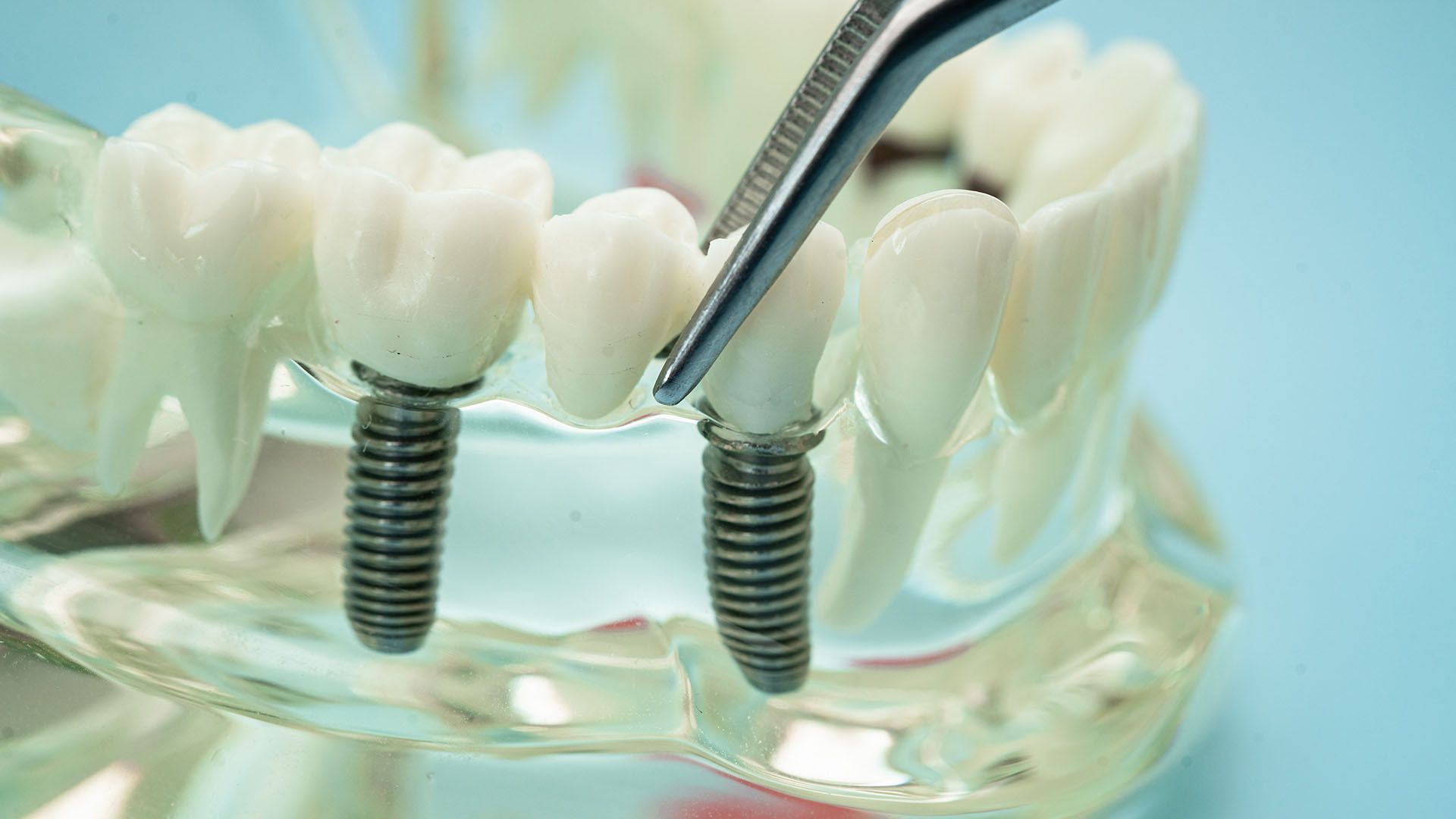
All-on-4 is a type of full-mouth dental implant treatment. Instead of replacing each missing tooth with a separate implant, four carefully placed implants support a full arch of replacement teeth. This can be done for the upper jaw, lower jaw, or both.
How the All-on-4 System Works
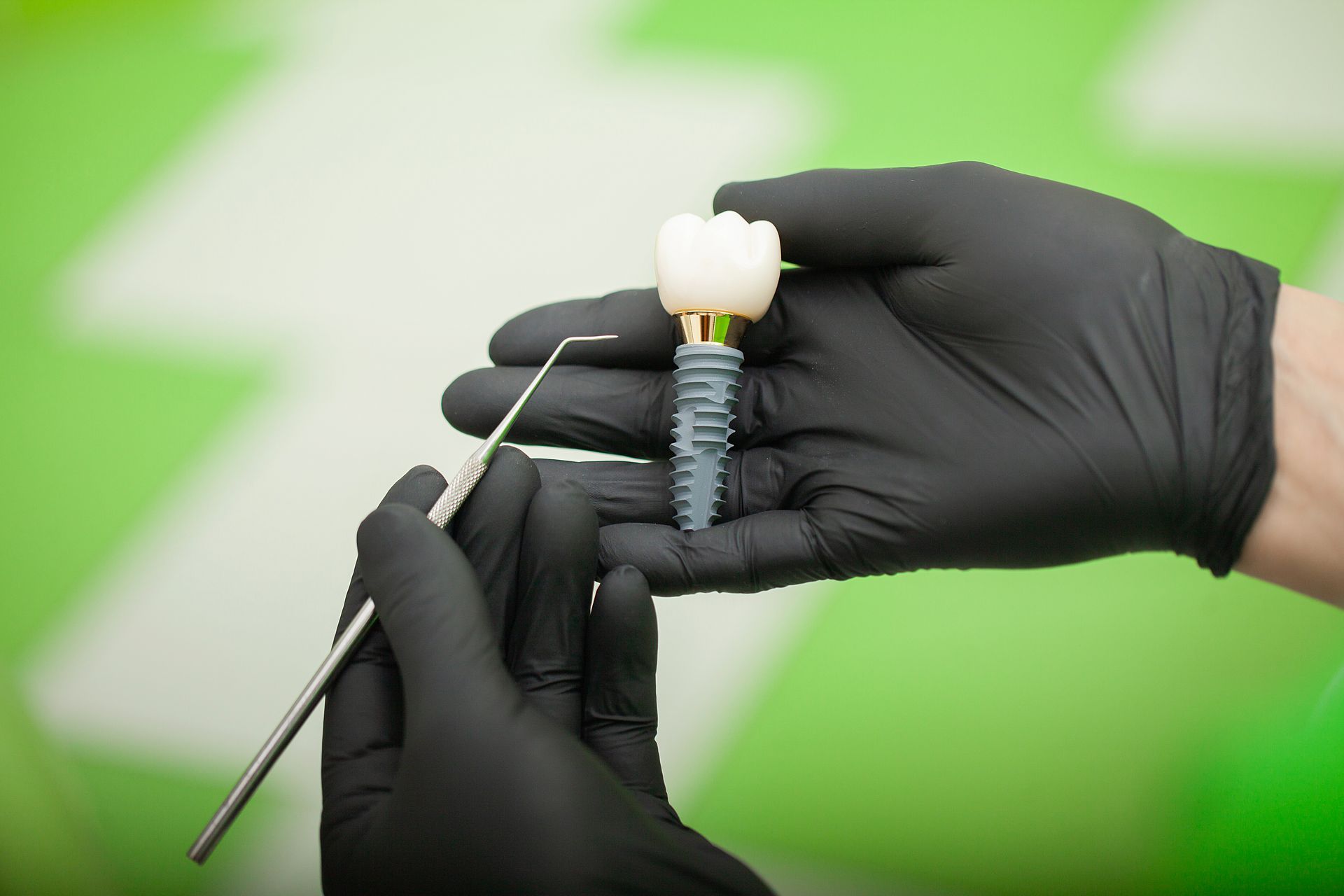
- Four titanium implants are placed into the jawbone.
- Two are placed toward the front of the jaw, and two are placed at an angle toward the back.
- A custom full-arch bridge (a row of teeth) is attached to these implants.
This design spreads chewing forces across the jaw and often allows us to use areas of stronger bone, even if you have had some bone loss.
How it differs from traditional implants and dentures:
- Traditional single implants usually replace just one tooth at a time. All-on-4 replaces an entire arch using only four to six implants.
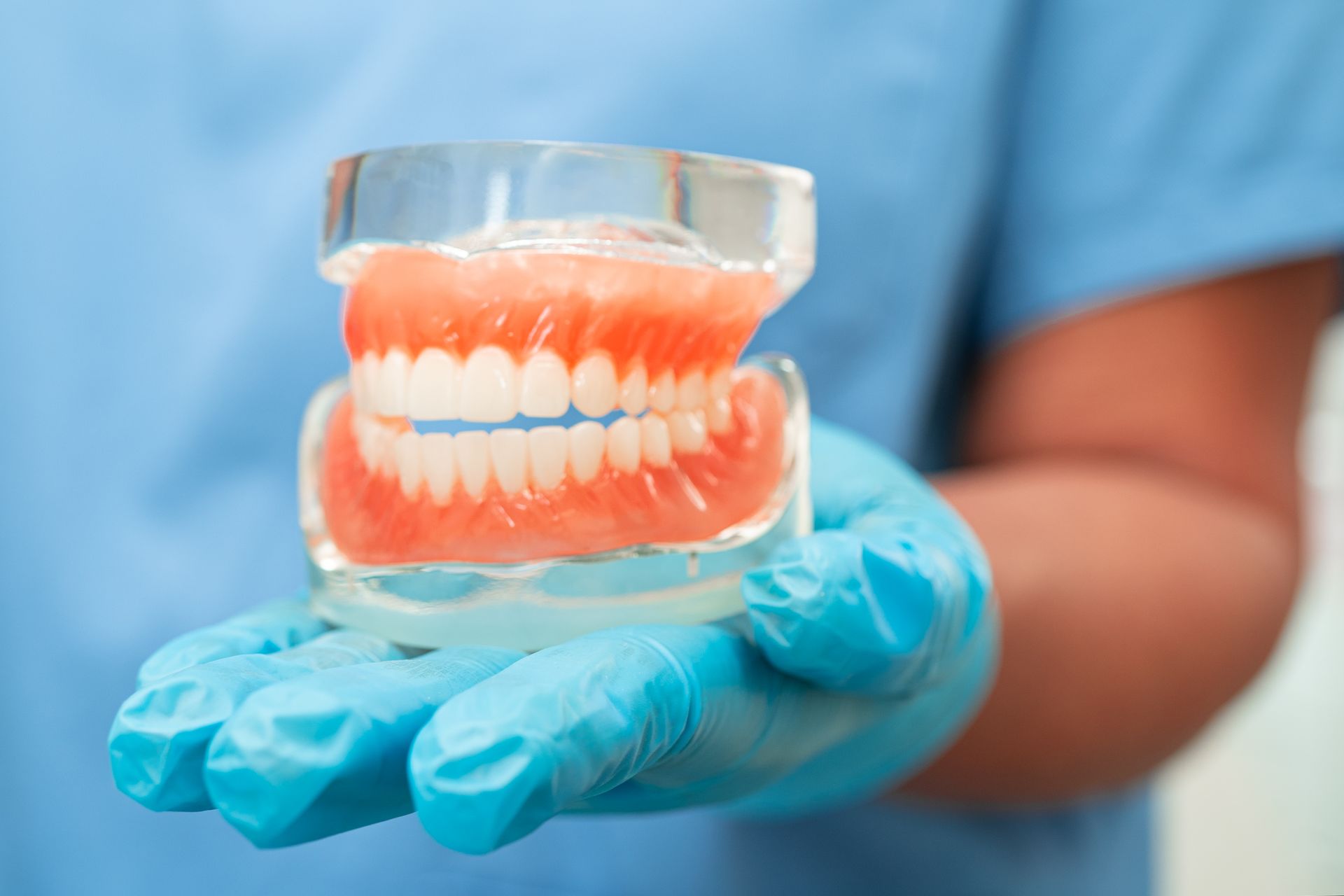
- Removable dentures sit on top of the gums and can slip, rub, or feel loose. All-on-4 uses
non-removable implant dentures that are fixed in place and do not come out at night.
Benefits of Choosing All-on-4
People often choose All-on-4 because it offers:
- A
fixed, stable solution that does not move when you talk or chew.
- The possibility of
same-day teeth, so you may leave surgery with a temporary full-arch bridge.
- Bone preservation – implants help stimulate the jawbone and can slow future bone loss.
- A more
natural look and feel compared with traditional dentures.
- A
long-term tooth replacement solution when cared for properly.
Ideal Candidate Criteria for All-on-4 Implants
Most people who ask, “Who is eligible for All-on-4 implants?” fall into a few common groups. Here is what we look for during an evaluation.
Extensively Missing or Failing Teeth
All-on-4 is designed for people who:
- Are
missing most or all of their teeth in one or both jaws, or
- Have many teeth that are badly decayed, broken, loose, or failing, and may need extraction.
If you are tired of patchwork dentistry, or if your dentist has told you that several teeth cannot be saved, full-arch treatment with All-on-4 may be more efficient and predictable than doing many separate procedures.
Adequate Jawbone Structure
Dental implants must be supported by healthy jawbone. Many patients worry they are “not candidates” because they have been missing teeth for years or have worn dentures. With All-on-4, moderate bone loss is often still acceptable because:
- The implants are placed at angles to use denser bone.
- We can often avoid certain sinus or nerve areas.
However, if the jawbone density for implants is very low, you may need bone grafting or another type of treatment first. A 3D cone beam scan helps us measure your bone and see whether you meet All-on-4 procedure requirements.
Good General and Oral Health
To be a strong All-on-4 dental implants candidate, you should:
- Have gums that are mostly healthy, without
active severe gum disease.
- Have no untreated dental infections.
- Be able to heal normally after surgery.
We will review your medical history, medications, and any past surgeries. Conditions like well-controlled diabetes or high blood pressure do not automatically disqualify you, but they do need to be stable and monitored.
Non-Smokers or Willing to Quit
Smoking and vaping can:
- Decrease blood flow to the gums and bone.
- Lower the success rate of dental implants.
- Slow healing after surgery.
Ideal candidates are non-smokers. If you smoke, we may still be able to treat you, but we will strongly recommend quitting before and after surgery to protect your investment.
Who May Not Qualify Right Away?
Some patients are not ready for All-on-4 on day one, but they can become candidates with the right pre-treatment.
Severe Bone Loss or Untreated Gum Disease
If you have very advanced bone loss, long-term loose dentures, or severe untreated gum disease, you may need extra steps such as:
- Bone grafting or sinus lifts to rebuild lost bone.
- Periodontal therapy to control gum infection.
- Removal of failing teeth and infected tissue.
These treatments are part of caring for dental restoration for edentulous patients (people who are missing all teeth). Once infection is under control and enough bone is present, All-on-4 or another implant option may be possible.
Certain Medical Conditions
Some health issues can affect implant surgery or healing, including:
- Uncontrolled diabetes
- Autoimmune diseases that are not well-managed
- Blood clotting disorders
- Recent heart surgery or certain heart conditions
- Active cancer treatment or strong immune-suppressing medications
Having one of these conditions does not always mean you can never have All-on-4, but it does mean we will work closely with your physician. Your safety comes first, and sometimes we may recommend delaying treatment or choosing a different approach.
Why Choose All-on-4 in Plano, TX?
Choosing a provider is just as important as deciding on the treatment itself.
Personalized Care with Local Expertise
At Innate Dental Solutions, we provide full-arch implant treatment for patients from Plano and surrounding communities. Our team:
- Takes time to explain all your
missing teeth replacement options, including implants, fixed bridges, and dentures.
- Designs treatment plans around your health, budget, and lifestyle.
- Focuses on long-term function as well as a confident, natural-looking smile.
We are not here to pressure you into any single solution. Our goal is to help you understand your choices and make the decision that feels right for you.
Advanced Imaging and Treatment Planning
Accurate dental implant evaluation is critical for All-on-4. In our office, we may use:
- 3D cone beam CT scans to study your jawbone, nerves, and sinuses.
- Digital models to plan implant positions and your new teeth.
- Careful bite analysis to make sure your new teeth will function comfortably.
This technology allows us to check your jawbone density for implants, plan around areas of bone loss, and design a strong, well-fitting fixed bridge.
Next Steps: How to Know If You Qualify
Reading about candidacy is helpful, but it cannot replace an in-person exam. Here is what usually happens when you come in to see if you qualify for All-on-4.
Schedule a Comprehensive Implant Consultation
During your consultation, we typically:
- Review your dental and medical history.
- Take necessary X-rays and, if needed, a 3D scan.
- Examine your gums, remaining teeth, and bite.
- Measure bone levels and discuss whether All-on-4, other
fixed implant dentures, or removable options fit your needs.
By the end of this visit, you should have a clear idea of whether All-on-4 is likely to work for you and what other options are available.
Discuss Your Health History and Goals
Being open and honest with your dentist is key. Let us know if you:
- Take blood thinners or other prescription medications.
- Have medical conditions that affect healing.
- Smoke, vape, or use other tobacco products.
- Have specific goals, such as eating certain foods again, improving speech, or avoiding removable dentures.
Together, we can decide whether All-on-4 is the best long-term tooth replacement solution for you, or if another approach would be safer or more comfortable.
Closing Thoughts
All-on-4 dental implants can be life-changing for people with many missing or failing teeth, but it is not a one-size-fits-all treatment. The right candidate has significant tooth loss, enough bone to support implants, and stable oral and overall health. Even if you do not qualify right away, treatments like bone grafting or gum therapy may help you become a candidate later.
Ready to Find Out If You’re a Candidate?
If you are in or near Plano, TX and wondering whether you qualify for All-on-4 dental implants, the best next step is a personal evaluation. Contact Innate Dental Solutions to schedule a comprehensive implant consultation. We will review your health, examine your mouth, answer your questions, and help you explore every option for rebuilding your smile, so you can move forward with confidence and clarity.
Frequently Asked Questions
Tampa Dental Implants - Blog